



Gravel pumps differ from other dredging pump types because of their special design for rough and tough materials. Unlike regular slurry pumps, which work best with smaller bits, gravel pumps handle big chunks like rocks, sand, and gravel. They avoid getting blocked or wearing out too quickly. Their build focuses on strength and good water flow in tough sea and mining settings.
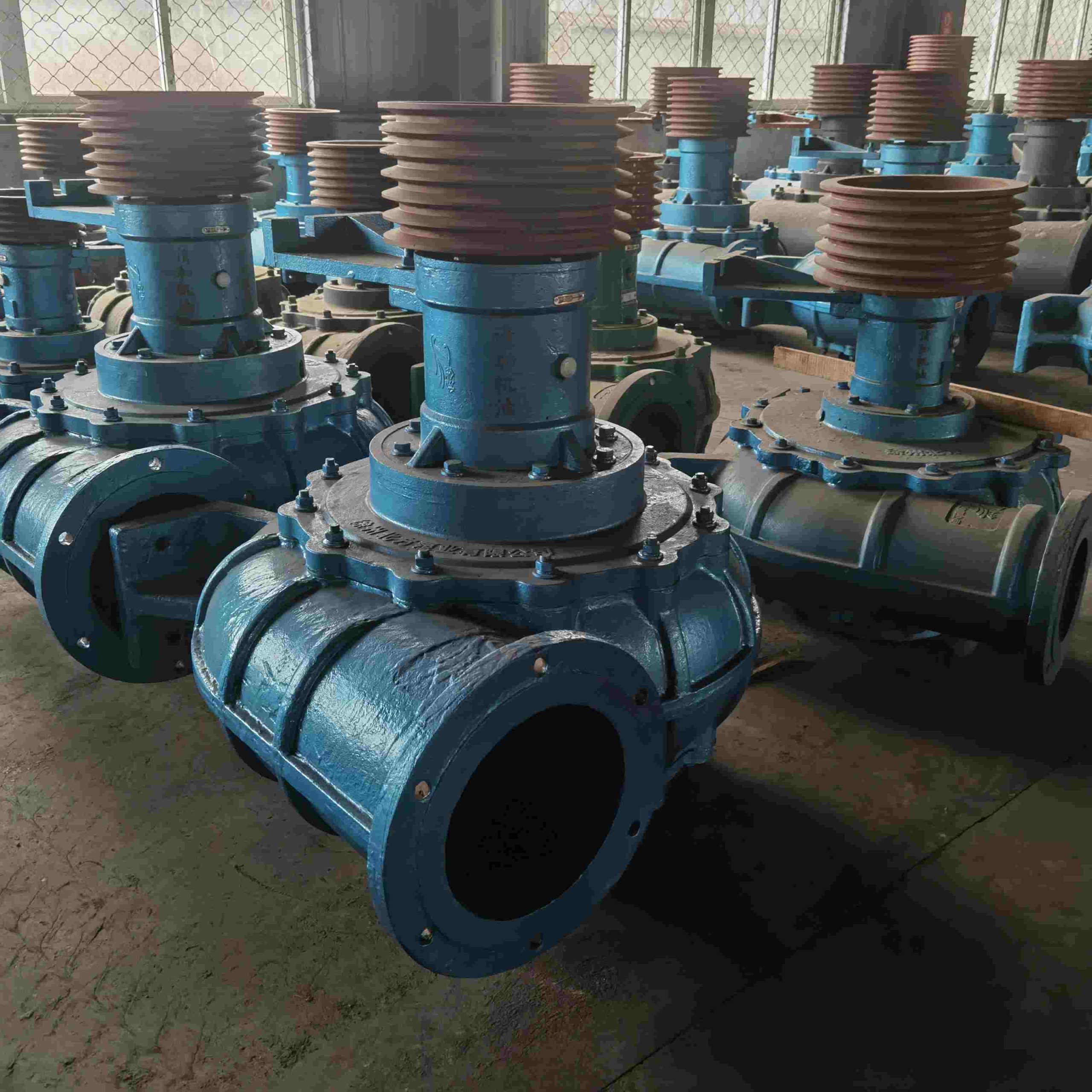
Key Design Features of Gravel Pumps
Gravel pumps use bigger paths in the impeller. This lets solid bits move through the system without trouble. So, it cuts down on the chance of clogs when dealing with mixed-up stuff that has different sizes. The outer shell often comes from strong stuff like high-chromium alloys or tough steel. These materials stand up to the scraping from constant rubbing against rough dirt. Plus, the inside setup stays simple. That makes upkeep easier and swaps of parts quicker. As a result, it shortens stop times in key dredging jobs.
Performance Characteristics in Harsh Conditions
Gravel pumps keep good results when facing thick slurries. They do better than usual dredging setups in these cases. Their flow stays steady even if the sizes of bits change a lot. This ensures smooth moving of materials along pipes. Thanks to smart water flow plans and choice of materials, these pumps use less power. At the same time, they keep a high amount of output. That matters a lot in projects where costs count in sea work.
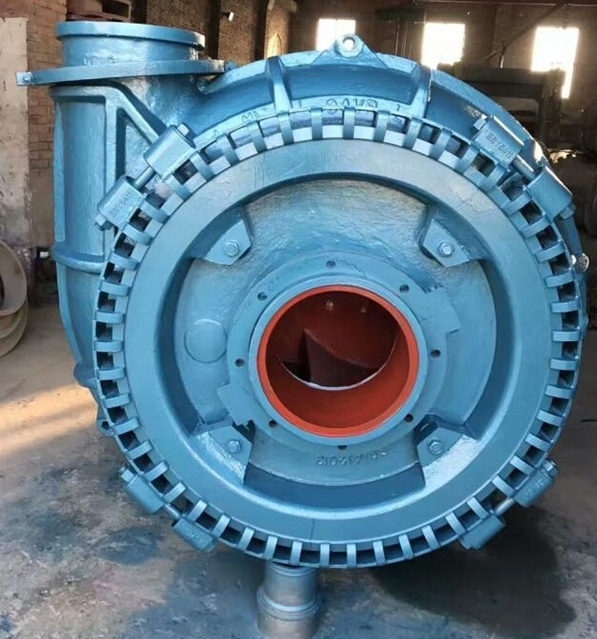
How Does a Gravel Pump Operate in Conveying Heavy Slurries?
A gravel pump works on the idea of spinning force from its impeller part. This force pushes the slurry mix ahead at fast speeds. It beats back the pull of gravity and rubbing losses in the pipe setup.
Hydraulic Mechanisms Supporting Slurry Transport
The impeller spins and makes a spinning force. That drives the slurry out from the pump’s middle to its exit point. Keeping enough speed in the flow stops dirt from settling in the hose or pipe lines. Thus, it keeps the movement of materials going without breaks. Parts that control pressure help steady the output. They also cut down on clogs during long dredging runs.
Factors Influencing Operational Efficiency
The best work from a gravel pump comes from picking a type that fits the slurry’s traits. Density and spread of particle sizes matter most here. Good setup between the intake and output points helps create smooth flow. It reduces swirling losses. Checking key parts that wear out, like covers, impellers, and seals, keeps things running well over time. This stops breakdowns from the grinding pressure of rough loads.
Why is the Gravel Pump Preferred for Dredging and Marine Applications?
People choose gravel pumps a lot in sea building projects. They handle hard dirt moving jobs in very tough spots. Their solid build makes them key for deepening river bottoms, building up coast land, and mining out at sea. In these places, trust in the gear counts most.
Applications in Marine Engineering Projects
Gravel pumps help a lot in digging up riverbeds and sea floors. The goal is to keep paths open for ships. They also matter in building new land. This involves moving huge amounts of sand or mud from under water to spots for filling. In mining, these pumps pull out minerals or rocks straight from water spots. They do this with little risk of getting stuck.
Advantages Over Conventional Dredging Systems
Gravel pumps move more material than old dredging setups. They keep steady work even with oddly shaped big bits. The inside parts resist bending or wearing down from hits by large pieces. Also, they fit well with different dredger kinds. Examples include cutter suction or jet suction boats. This gives options for various work plans.
What Role Does Material Selection Play in Gravel Pump Durability?
The choice of materials sets how well a gravel pump holds up against scraping and rust over years. These pumps run non-stop in rough sea spots full of salt water and floating bits. So, picking the right materials helps make the life of the pump longer.
Common Materials Used in Construction
Impellers from high-chromium alloy offer great defense against scraping from rough bits speeding through the pump area. Casings of hardened steel keep the shape strong under big pressure from deep-water digging. Liners of rubber or polyurethane often line the spots that touch the flow. They cut down on rubbing wear during long runs.
Enhancing Longevity Through Engineering Design
Parts that can be swapped make fixing easier. You change them fast without taking the whole thing apart. Better seal setups stop leaks around spinning shafts. They also guard bearings from dirt by tiny bits or salt water getting in. Special coatings on surfaces boost defense against rust. This proves vital for long use out at sea.
How Does TRODAT (Shandong) Marine Engineering Co., Ltd. Support Reliable Gravel Pump Solutions?
TRODAT (Shandong) Marine Engineering Co., Ltd. focuses on making sea gear. They lead in providing strong gravel pumps for dredging around the world. The firm blends new material know-how with exact machine building. This creates tools that handle very hard conditions. They do so without losing speed.
TRODAT’s Commitment to Quality and Innovation
TRODAT has a full line of products. These fit many sea jobs, from small boat digging to big sea land-building efforts. Every item goes through tough tests. These check water flow steadiness in fake real-world setups. The company gives special tech help too. It aims at fitting answers for hard slurry moving problems that workers face everywhere.
What Are the Key Considerations When Selecting a Gravel Pump System?
Choosing the right gravel pump setup means looking at tech details and site limits for each job. A good check makes sure of top work results. It also cuts down on power use and fix costs.
Technical Parameters Affecting Selection Decisions
Main things to think about include the needed flow amount based on job size. Also, match the impeller path sizes to what particle sizes you expect. Balance the power put in with what comes out for best value. These points together decide if a model can keep going without stress or poor water flow.
Integration with Existing Marine Equipment Systems
Fitting with current power setups on board is key when adding gravel pumps to digging ships or boats. Simple setup in flexible frames lets you change things based on job needs. It works for fixed spots, like on floating platforms, and moving ones. This boosts options for different site setups.
How Can Maintenance Practices Improve Gravel Pump Performance?
Upkeep done ahead of time helps keep the gear working well over long heavy use. Steady checks spot problems early. This stops them from turning into big breaks that hurt output.
Recommended Maintenance Procedures
Workers should check shakes often. This finds signs of uneven wear or wrong setup in spinning parts. Stick to times for changing used-up bits like seals and liners. That avoids surprise stops in digging work. Good oiling care keeps bearings smooth under big weights. It also cuts heat that could speed up part tiredness.
Conclusion: The Strategic Value of Gravel Pumps in Modern Dredging Operations
Gravel pumps now serve as vital tools in today’s sea dirt handling systems. They move thick slurries well and stand up to scraping in very hard spots. Their strong build ideas, along with new steps from makers like TRODAT (Shandong) Marine Engineering Co., Ltd., allow sure work in many uses. These include digging river bottoms, building land, and pulling resources from sea sites. In these jobs, lasting strength and good results drive success.
FAQs
Q1: What distinguishes a gravel pump from a standard slurry pump?
A gravel pump has bigger inside paths and stronger materials. These are built just for moving rough bits like rocks or gravel. It avoids clogs or quick wear that happens in usual slurry types.
Q2: Can gravel pumps be used on small dredging boats?
Yes, smaller versions are available. They fit right into little ships. Yet they give enough water power for removing dirt in shallow water. Tasks need exact control over slurry speeds.
Q3: How can operators extend the service life of their gravel pumps?
Regular checks plus on-time part changes help a lot. Add good oiling steps and follow suggested run settings. These steps boost lasting time. They also keep steady work in tough sea jobs with thick slurries or bit-moving tasks using new dredging pump tech.

Post Comment