



Each type of pump serves a particular role in marine engineering, mining, and dredging setups. The gland pump, gravel pump, and TDSP-C hydraulic slurry pump vary a lot in their build, operation method, and use cases.
Structural Features and Working Principles
Gland Pump:
The CYZ series self-priming centrifugal pump is a fresh updated version of the centrifugal pump. Engineers created it by drawing on home and abroad advanced tech for similar items. They based it on years of design and production know-how from Chinese pump makers. It relies on a gland packing setup to stop leaks along the shaft. This setup gives solid sealing results. The gland packing squeezes around the shaft sleeve. It curbs leaks and keeps lubrication between packing rings. That cuts down on wear. This approach offers steady flow management for tasks that need fair pressure steadiness.

Gravel Pump:
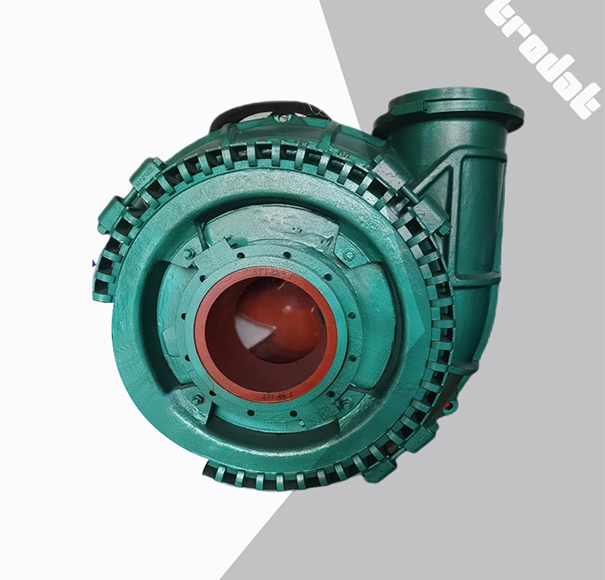
A gravel pump is a device that turns electric power into motion and position energy of the medium. It does this through centrifugal force from the pump’s impeller spin. This boosts the energy of the solid-liquid mix. It has wide flow paths to deal with rough solids like gravel or mud. The open path reduces blockages. At the same time, it holds high transfer efficiency. The outlet angle of the dredging gravel pump can point in any spot over 360 degrees. This brings perks like simple setup and handling, solid anti-cavitation traits, and strong wear resistance.

TDSP-C Hydraulic Slurry Pump:
The TDSP-C Hydraulic Slurry Pump Unit comes with a single or double agitator. As a kind of mud pump tool, it runs on hydraulic drive. Its tech is well-established, and its quality stays very steady. It shines in tough spots and areas with spotty power access. There, a hydraulic mud pump shows high output. Unlike pumps powered by electricity, this one works through hydraulic force. That lets it deploy flexibly underwater. Its agitators stir up settled stuff before pulling it in. Thus, it clears sediment well.

Material Composition and Durability
Gland pumps usually use rust-proof metals fit for saltwater or chemical liquids. Its water pump line works for moving fresh water, seawater, and sewage water. Gravel pumps use high-chrome tough materials to fight wear from rough bits. Wetted parts of the gravel dredging pump consist of tough materials like hard nickel and high chromium. TDSP-C hydraulic slurry pumps include strong parts that hold up under high-pressure setups. Flow components of main pump are made of wear-resistant high Cr alloy.
How Does a Gland Pump Operate in Industrial Applications?
Engineers build gland pumps for exact transfer in work settings where seal dependability matters a lot. Their setup ensures very little leak even during nonstop runs.
Mechanism of Sealing and Leakage Control
The seal system uses several packing rings. A gland follower presses them to create a tunable seal around the turning shaft. Oil or grease between rings cuts friction heat. You can tighten it now and then to offset packing wear. This keeps the seal at its best over time.
Application Fields of Gland Pumps
These pumps see wide use in many fields because they adapt well:
- In chemical processing plants where controlled flow prevents contamination risks.
- In power generation systems supporting boiler feedwater circulation under variable loads.
- In marine operations where controlled discharge ensures compliance with environmental standards.
It can also be used in chemical industry, pharmaceutics, brewage, electroplate, printing and dyeing, paper making, electric power, mining.
Why Are Gravel Pumps Essential for Handling Coarse Solids?
Gravel pumps play a key role in dredging and mining. They move big solid bits without getting blocked or worn out too much.
Design Characteristics of Gravel Pumps
The gravel pump’s single-shell build makes upkeep straightforward. It also delivers strong output. The TDSP-G Gravel Pump for Dredging Work is a single shell pump structure connected by clamps. It has a roomy path for the medium. Big impellers cut down on swirls during slurry movement. Swap-out liners boost lifespan in rough conditions. They keep hydraulic output solid. Adaptability comes via different drive choices like V-belt or gear reducer systems. These fit site needs. The main transmission methods for this dredging gravel pump can be through V-belt, elastic coupling, gear reducer, hydraulic coupling, variable frequency drive device, thyristor speed control.
Operational Advantages in Harsh Environments
Gravel pumps keep going nonstop in very rough spots with little stop time. Their sturdy build helps. They suit moving explosive slag from dredging vessels, dredging waterways, mining, metallurgy, and metal smelting. Their 360-degree tunable outlet nozzles make setup easy in diverse field layouts. They ensure steady output rates no matter the particle mix.
What Makes the TDSP-C Hydraulic Slurry Pump Distinctive?
The TDSP-C hydraulic slurry pump sets itself apart with its blend of mechanical toughness and smart hydraulic drive. This fits underwater jobs that call for movement and trust.
Technical Features of TDSP-C Hydraulic Slurry Pump
The strong single or double agitator acts as stirring heads. They blend settled sand, ore, and slurry. Then, it pumps them out as one. This gives an easy way to clean up sediment. Its small build skips the need for electric wires underwater. Instead, it uses hydraulic lines powered from outside by excavators or platforms. You can tweak flow control for exact settings based on sediment thickness or job depth. Key parameters include working pressure between 16–25 MPa and flow capacities ranging from 100–16100 m³/h depending on configuration. Driven by Hydraulic Power | Flow(m³/h): 100–16100 | Head(m): 10–50 | Flow Components: made of wear-resistant high Cr alloy.
Performance Benefits in Marine Engineering Projects
This model fits well in many sea-based tasks like deepening harbors or fixing riverbeds. The built-in agitator setup boosts pull efficiency. It stops clogs near intake areas. Hydraulic cooling cuts risks of getting too hot, a common issue in electric underwater designs. Modular build makes field fixes simple.
How Does TRODAT (Shandong) Marine Engineering Co., Ltd. Support Reliable Pump Solutions?
TRODAT (Shandong) Marine Engineering Co., Ltd. has its base in Weifang City, Shandong Province. It focuses on creating full dredging systems. These include gland pumps, gravel pumps, and TDSP-C hydraulic slurry pumps. The company customizes them for clients’ worldwide setup needs. We are Chinese professional supplier of dredging equipment of Chinese famous brands or international brands as required. We design and provide dredging parts to fit new dredgers which are built in your local shipyard, to match dredgers we design and provide, and also applied for repair and maintenance of old dredgers. The firm’s after-sales help covers on-site setup oversight by skilled engineers. This guarantees steady work over the gear’s life. Their role in global shows like BAUMA CHINA shows their drive for fresh ideas and teamwork in sea engineering fields around the world.
Summary of Key Insights on Industrial Pump Selection
Choosing among gland pumps, gravel pumps, or TDSP-C hydraulic slurry pumps means checking fluid traits. For gland systems, look at thickness levels. For gravel units, consider particle spread. For hydraulic slurry models, think about far-off setup needs. Each setup boosts work efficiency when paired right with task wants. This cuts long-term costs and raises toughness in hard work spots.
FAQs
1. What factors should be considered when choosing between a gravel pump and a slurry pump?
Pick based on how abrasive the material is, how particles are spread out, how high the discharge needs to go, how thick the moved stuff is, and limits in the surroundings that affect power options.
2. How often should gland packing be replaced in a gland pump?
Swap it after checks based on leak patterns. Usually, you adjust it during routine upkeep times, not on set schedules.
3. Can the TDSP-C Hydraulic Slurry Pump be integrated with existing dredging equipment?
Yes—its modular structure enables direct coupling with standard excavator hydraulics or floating platform systems without major retrofitting efforts facilitating seamless integration into existing operations frameworks.

Post Comment