



Rake suction boats are special dredging ships made to clear sediment effectively from seabeds, riverbeds, and harbor areas. These ships hold an important place in keeping waterways open for ships and helping with major land reclamation efforts. The structure of a rake suction boat brings together water flow balance, large pumps, and strong material handling parts. These features make sure the dredging keeps going smoothly in tough sea situations.
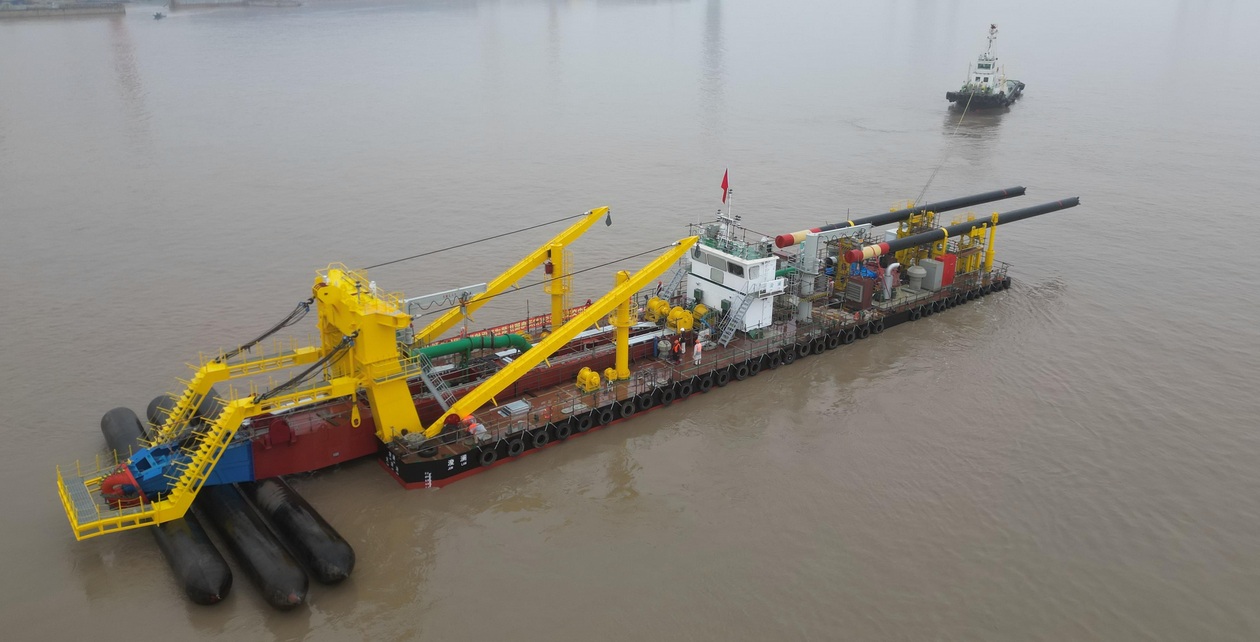
Structural Features of a Rake Suction Boat
The body of a rake suction boat gets built for the best balance, even when waters get choppy. Its form reduces pushback and guarantees smooth running. At the same time, it keeps the dredged sediment safe inside storage tanks on board. The suction pipe network acts as the core of the ship’s dredging strength. It joins the drag head to mighty centrifugal pumps set on the ship. This setup helps move the blend of sediment and water from the seabed up to the ship’s hopper or holding space. Once these spaces fill up, they keep the gathered items. They hold them until crews let them out at planned spots for reclamation or disposal. Extra-strong steel builds and coatings that fight rust add more toughness. This supports the ship during drawn-out work in salty settings.
Working Mechanism of the Rake Suction System
The basic way a rake suction boat runs focuses on water-powered digging and pulling transport. The drag head fits at the suction pipe‘s end. Crews drop it down to the seabed. There, it breaks loose packed materials using mechanical stirring or water jet systems. Next, the freed mix of sediment and water gets sucked up through pipes. High-strength pumps do this job. They hold steady flow speeds over far reaches. The stuff then sits in hoppers for a short time. After that, it gets let out either by water force through pipes or by machine action via bottom doors. This occurs when the ship sits over disposal areas. The whole loop method makes certain sediment clearing works well. It keeps spills or murky water to a minimum.
Role of the Drag Head in Dredging Efficiency
The drag head stands at the heart of making dredging more productive. Its angle that can change helps workers keep even touch with different seabed surfaces. This leads to even pulling of materials. Spray systems built into the drag head push forced water into tight sediments. As a result, they become easier to move and face less pushback in suction. Current builds use metals that resist wear or mixed coverings. These greatly stretch out the time the parts last in grinding conditions like rough sand or gravel areas. Drag heads made with care not only boost output but also cut down on energy needs. They achieve this by lowering rub losses across all the dredging steps.
How to Select the Appropriate Rake Suction Boat for Specific Projects?
Choosing a fitting rake suction boat calls for a thorough look at job details. These cover the dredging amount, depth levels, sediment makeup, and local rules. Every factor shapes the ship’s setup, pump details, and the full work approach.
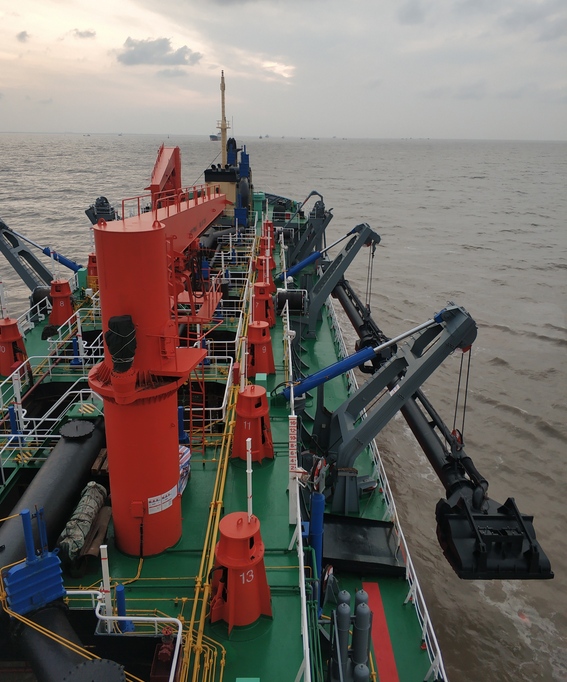
Key Factors Influencing Equipment Selection
A project’s size mostly sets what storage the ship needs. For instance, huge reclamation jobs require rake boats with big hoppers. These support ongoing work without constant unload pauses. The nature of sediments whether they are fine silt, medium sand, or sticky clay guides choices for drag head builds. This includes spray pressure amounts and tooth setups. Depth of water also affects suction force. Deeper digging tasks need tougher pumps and backed-up pipes. These keep proper flow speed and block bubble formation effects.
Evaluating Technical Parameters Before Procurement
Engineers need to check certain details before getting equipment. For example, they look at pump output measured in cubic meters per hour. They also review how far it can discharge and if the suction opening matches planned loads. Drive setups get picked by how easy it is to move. Turning thrusters work well for tight harbor tasks. Regular propellers fit better for wide sea areas. Auto tech like GPS-based dredging guides add exactness. They do this by allowing on-the-spot checks of dig outlines and pump stats. In turn, this raises output and eases the load on workers.
Common Challenges in Selection and Their Solutions
Finding a good mix between low costs and solid work is a typical issue when picking gear. A review of full life costs aids in judging all ownership outlays. This includes fuel use, how often fixes happen, and if spare parts are easy to find. It shifts focus from just the first buy price. Making new rake boats work with old support systems is crucial. Such systems might include booster stations or discharge pipes. This avoids problems when putting them into use. On top of that, matching local rules on how to handle sediment disposal needs early checks. This prevents hold-ups from regulations in the planning phase.
What Are the Main Application Fields of Rake Suction Boats?
Rake suction boats fill varied roles in sea engineering fields. In these areas, steady control of sediments is key for safe passage, shore building, or nature recovery.
Port Maintenance and Navigation Channel Deepening
Everyday dredging with rake boats keeps the needed depths in business ports and passage ways. This allows big cargo ships to go through without risk. Keeping up the removal of piled silt stops shallow build-up. That build-up might limit sea traffic or raise chances of running aground when tides are low.
Land Reclamation and Coastal Development Projects
For land reclamation work, rake boats carry the dredged stuff to marked zones. They use it to make fresh land areas or shore up worn coast lines. Watched placing methods make sure the ground settles evenly. This prepares it well for later builds like ports, airports, or factory sites.
Environmental Remediation Applications
Nature recovery is yet another vital use area. In it, careful dredging pulls out tainted sediments from dirty water spots. It does so without too much bother to nearby life systems. Newer control tools let workers adjust suction power just so. This lowers cloudy water amounts. Meanwhile, it gets complete clean-up in delicate places like river ends or marsh lands.
How Does TRODAT (Shandong) Marine Engineering Co., Ltd. Support Dredging Operations?
TRODAT (Shandong) Marine Engineering Co., Ltd. gains worldwide respect for its know-how in making sea equipment. It offers complete answers that cover fresh design ideas, top build quality, and post-sale tech help. These fit for global customers in large dredging tasks.
Company Overview and Core Expertise
The company puts its main effort into creating modern rake suction boats. It also makes cutter suction dredgers and support machines needed for broad sea engineering jobs. Its approach based on studies highlights water flow tuning paired with lasting build materials. These guarantee top work dependability in harsh sea setups. TRODAT’s engineer groups use computer-based fluid movement checks in the ship’s design phases. They work to peak output while trimming fuel needs in different work situations.
Commitment to Quality and Global Service Network
Quality checks make up a main pillar of TRODAT’s company beliefs. Each build phase goes through tough check steps. These promise even work levels across its group of ships. The company runs a broad worldwide help network. It provides tech support from setup oversight to worker training sessions all over the world. Customers get gains from spare parts lines that are quick to reach. These cut down stop times in upkeep rounds. They also secure gear’s long-lasting nature even in intense use spots.
Conclusion: Enhancing Operational Efficiency Through Informed Equipment Choice
Choosing a suitable rake suction boat requires thoughtful matching of job aims, nature limits, and tech strengths from current dredging tools. Drawing on new features like adjustable drag heads lifts output. They fine-tune seabed contact ways. At the same time, they ease nature effects tied to old dredging ways. A smart buying choice backed by trusty makers like TRODAT (Shandong) Marine Engineering Co., Ltd. ends up giving better work output, lower full costs, and lasting results in varied sea building plans.
FAQs About Rake Suction Boats
1. What distinguishes a rake suction boat from other dredgers?
Rake suction boats bring in big storage hoppers on board. These permit non-stop running over long periods without many unload halts. This gives an edge over fixed cutter suction sorts. Those sorts lean on steady pipe release systems.
2. How can maintenance frequency be reduced in rake suction boats?
Regular looks at drag head soundness, inside pipe layer states, and pump wheel wear signs cut surprise stop times a great deal. Adding coatings against wear also stretches out part life spans in rough work conditions.
3. Can rake suction boats operate effectively in varying seabed conditions?
Yes. Current builds show changeable drag head shapes tied to pumps with speed shifts. These allow smooth changes across several sediment kinds. That spans from fine silt beds to rough sand grains. All along, they hold firm flow output during the full jobs.

Post Comment