



Dredger bucket teeth are probably the most important wear parts on your dredger. In addition to peak excavation performance, optimal fuel consumption, and minimum maintenance, the type of bucket teeth and the materials that are used also have a major impact on the costs of the operation. The diversity of dredging activities and environments means that there is no single type of bucket tooth that is suitable for every job. Within dredging, a range of different bucket teeth have been developed to facilitate the effective extraction of a variety of different materials. This article explains the principal types of dredger bucket teeth, details the materials used to make them, and highlights the principal characteristics of each type. In addition to recommending the most suitable bucket teeth for peak performance, this article will help operators to achieve optimum levels of efficiency and to extend the life of their dredging equipment.
What Are the Main Categories of Bucket Teeth Used in Dredgers?
Dredging activities can be carried out more efficiently and effectively using the right type of bucket teeth. They can last longer too. There are several ways to categorize bucket teeth for dredgers. They can be categorized based on the design, the material and the environment where they are to be used.
Classification by Design Structure
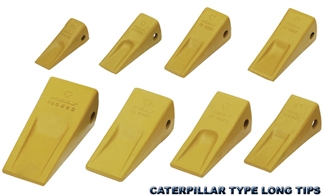
IL Standard Teeth are one of the most common types of cutter teeth used for general-purpose dredging in soils of average hardness. This type of tooth has good penetration and wear resistance and is effective in a variety of soils and mix of materials. The Rock Teeth are fitted with reinforced tips and are designed to penetrate in compacted rock and in gravel layers. The special geometry of the Rock Teeth ensures maximum durability in hard work. The Chisel Teeth have a very sharp edge and are used for dredging in very hard soils like dense clay, and for precise work in layered soils where high cutting accuracy is required.
Classification by Material Composition
The choice of wear materials for bucket teeth has significant influence on durability and operation of bucket teeth. High-Manganese Steel Teeth have best performance for impact load and also for toughness and abrasion. It has best performance in site which contains large amount of coarse aggregate. Alloy Steel Teeth have best hardness and also best wear resistance, hence more operational life in most harsh dredging site. Heat-Treated Cast Steel Teeth have best of strength and ductility, thus can be applied in majority of dredging site.
Trodat uses precision investment casting of highest precision and automated furnace heat treatment in a wide range of steel types. For an exact checking of each bucket tooth, Trodat is equipped with precise testing and checking tools. The Bucket teeth as well as other parts are delivered ready for use and meet highest quality requirements for the marine technology applications.
How Do Design Differences Influence Dredging Efficiency?
The geometry and structural design of bucket teeth directly determine how effectively they penetrate materials, manage sediment flow, and resist wear during continuous dredging operations.
Impact of Tooth Shape on Cutting Performance
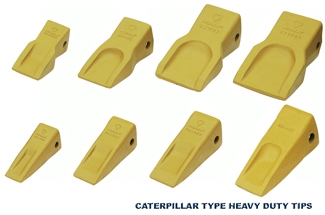
TAPERED SHAPES OFFER THE BEST INITIAL PENETRATION INTO SOLID MATERIALS LIKE ROCK AND DENSE CLAYS. FLAT EDGES OFFER BETTER SCOOPING IN LOOSE MATERIALS LIKE SAND. ROUNDED OUT Shaped Edges allow for the best release from bucket to offer least amount of clogging and offer best cycle time.
Influence of Mounting Systems on Operational Stability
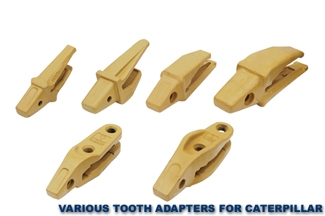
The mounting system of heavy duty dredgers must be robust to withstand the stresses of the work. Pin-on type mounting systems have the advantage of easy replacement, however, the pins may loosen off due to vibration. Weld-on mounting systems are locked firmly in place, however, extra maintenance is required during the replacement cycles. Hybrid type locking mechanisms offer a combination of stability and ease of use. This type of mounting system is suitable for big dredgers that are operated under variable loads.
Why Is Material Selection Critical for Bucket Tooth Longevity?
The choice of material has a significant bearing on the bucket teeth’s resistance to wear, corrosion and mechanical fatigue in a marine environment, subject to seawater and high impact forces.
Resistance to Abrasion and Impact
Harder alloy materials reduce wear on the surface of the blade when cutting through coarse aggregate such as rocks or gravel beds. Tougher steel materials absorb shock from impacts during rock excavation. This combination of properties allow for consistent cutting performance for longer.
Corrosion Protection in Marine Operations
By preventing oxidation anti-corrosive coatings increase lifespan significantly in seawater. Although the stainless steel types have a high rust resistance, they have a lower hardness than the specialized alloy steel types used for the high-wear parts of dredgers.
How Do Operating Conditions Affect the Choice of Bucket Teeth?
When selecting bucket teeth for cost-effective performance, consideration must be given to several important criteria including the sediment type being dug, the working depth, water pressure and other environmental issues.
Matching Tooth Type to Soil Hardness
Lightweight rockers with large surface areas are ideal for soft soil dredging in order to maximize volume without excessive penetration resistance. Medium-hard material requires sturdy, tough teeth that have to cut effectively at the same time. For rock excavation, heavy-duty teeth with high tensile strength and specifically designed tip geometry are required to absorb impact in the long term without damage or deformation.
Considering Operational Depth and Water Pressure
As dredging operations proceed at greater depths, the increased hydrostatic pressure puts greater stress on the bucket assembly. The use of pressure-resistant materials in bucket assemblies means that they can withstand deformation under constant underwater load, even during extended dredging projects.
How Does TRODAT (Shandong) Marine Engineering Co., Ltd. Support Reliable Dredger Operations?
TRODAT (Shandong) Marine Engineering Co., Ltd. is a renowned Chinese manufacturer of specialized marine engineering parts. Within their portfolio of products they hold a large variety of high-performance bucket teeth for dredgers of all makes and models. The casting of the highest quality in combination with a strict quality control is ensuring that the parts meet the required strength, corrosion-resistance and precise dimensions as is demanded on the worldwide market.
We are Chinese professional supplier of dredging equipment of Chinese famous brands or international brands as required. We can design and supply the parts for new dredgers that are being built in your local shipyard. In addition, the designed dredging equipment can also be used for old dredgers for repair and maintenance purposes.
Key Advantages of TRODAT’s Bucket Teeth Solutions
- Comprehensive product range covering standard, rock, and chisel types designed for various operational scenarios.
- Customized alloy formulations ensure an optimal balance between hardness and toughness.
- Dedicated technical support assists clients in selecting appropriate configurations tailored to their specific equipment models.
- This forming process shapes heated metal into specified dimensions via pressurization. After high-temperature heating and extrusion processing, the internal metal structure becomes denser and more refined. This refinement enhances strength and wear resistance while prolonging service life—critical attributes for demanding marine applications.
What Are the Emerging Trends in Bucket Tooth Design for Dredgers?
As marine engineering continues to evolve with advancements in the industry, improvements in materials and monitoring technologies are enabling engineers to develop more durable bucket teeth for dredgers by better designing them in advance.
Technological Innovations Enhancing Durability and Efficiency
Our wear sensors, which measure in real time, enable the operator to monitor the wear and tear of the tooth or teeth in real time, thus allowing for predictive maintenance before a failure occurs. The advanced surface treatments reduce friction between the sediment and the metal surfaces of the bucket, which in turn increases the flow within the bucket and reduces the amount of energy required per cycle to move the sediment.
Sustainable Manufacturing Approaches in Marine Equipment Production
Manufacturers worldwide use more and more recyclable metal alloys for dredging in order to keep their environmental impact as low as possible while maintaining their mechanical characteristics. The production of long-life parts leads to a lower replacement rate. This results in less waste during dredging projects worldwide and in a more sustainable use of resources during production.
Conclusione
The correct selection of bucket teeth for dredger equipment is crucial to maximum efficiency in the excavation and transport of soil and other materials and to prevent excessive wear and possible damage of the bucket. Important factors which influence the selection and the serviceability of bucket teeth are the tooth geometry, the alloy, the environmental conditions in which the bucket teeth are used, the working depth and the supplier from whom the bucket teeth are purchased. By making the correct choice of bucket teeth, dredging companies can be assured of optimal efficiency and minimum downtime in a variety of different applications within the field of marine engineering.
FAQ
1. What are the main factors influencing the wear rate of dredger bucket teeth?
Factors that affect the wear rate of the parts are the sediment’s abrasive qualities, the pressure at which the pump is operating, the material’s hardness and the scheduled maintenance required to complete the pump’s operational cycles.
2. Can different types of bucket teeth be interchanged across various dredger models?
Interchangeability of locks for chain systems depends on the compatibility of the mounting system. Most mounting systems are designed as universal and therefore can be mounted on all models. However, there are also model-specific mounting systems for chain locks which are determined by the special locking system, the load and the design of the chain lock.
3. How often should bucket teeth be inspected during continuous dredging operations?
Typical intervals for inspection of equipment, based on operational hours, are between 100-200 hours, depending on the intensity of work, as well as characteristics of the sediments encountered.
4. What signs indicate that a bucket tooth requires replacement?
Visible tip rounding, cracks near mounting bases, or noticeable reduction in cutting efficiency signal imminent replacement necessity to maintain operational safety standards.
5. Does TRODAT provide technical consultation for selecting appropriate bucket teeth?
Yes—TRODAT offers expert consultation services assisting clients with customized product selection aligned precisely with their individual dredger configurations and project-specific requirements across global markets such as Asia, Europe, Africa, North America, Oceania as referenced on their website information page.

Pubblica un commento