



Selecting the right dredging pipeline is a key step. It shapes the overall dredging efficiency, operational safety, and project cost. The evaluation needs to look at technical specifications, environmental factors, and long-term durability. This approach ensures strong performance in port dredging and other marine tasks.
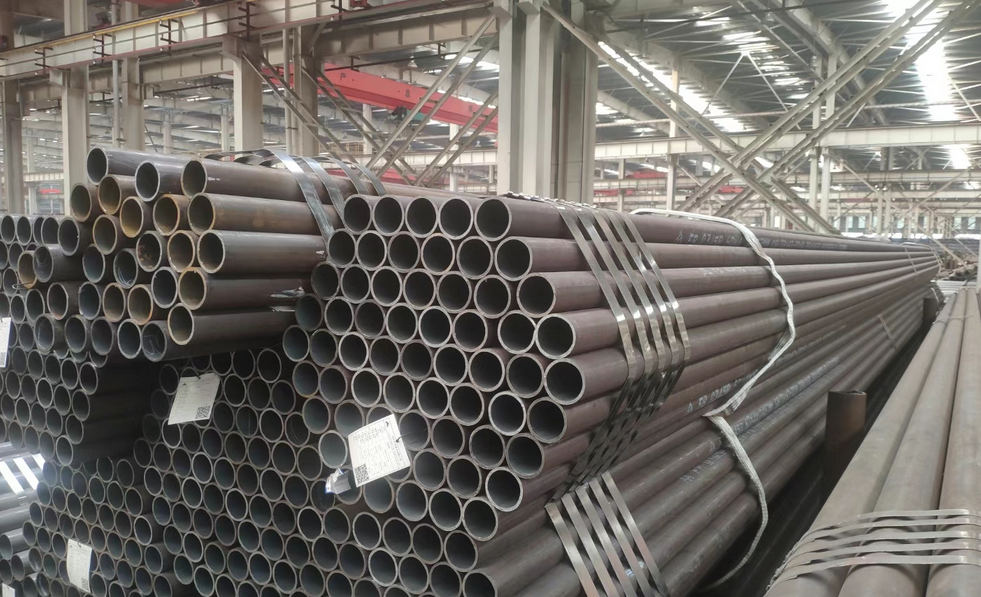
Material Composition and Durability
The main materials for dredging pipelines are steel, high-density polyethylene (HDPE), and rubber. Steel pipelines work well for high-pressure jobs. They offer solid strength and resist bending. But in salty settings, they need anti-corrosion coatings. HDPE pipelines provide good flexibility, light weight, and resistance to rust. These features make them suitable for shallow or short-term setups. Rubber-lined or composite pipes mix wear protection with impact cushioning. As a result, they last longer in rough slurry transport.
Corrosion resistance, wear resistance, and flexibility mainly affect how long a pipeline lasts. In ocean areas with high salt levels, choosing materials matters a lot. It helps cut down corrosion with protective layers or special coatings. Temperature changes can also impact the stretchiness of plastic-based materials. So, steady performance in heat is a big factor. The kind of sediment plays a role too. Fine silt or rough gravel sets the need for abrasion protection during extended use.
Pipeline Diameter and Flow Capacity
Pipeline diameter has a direct effect on slurry speed and sediment movement efficiency. A bigger inner diameter cuts down on friction losses. However, it raises the power needs for pumps. Smaller diameters can boost speed. Yet they may cause more wear from stronger turbulence. Engineers have to figure out flow rates. They aim to balance energy use with dredging results for smooth operations.
Hydraulic design rules say that slurry speed should stay above the critical level. This stops sediment from settling inside the pipeline. It keeps the flow going steadily. Plus, it reduces maintenance stops from clogs or buildup. Tools for calculations can model flow under different sizes and pump pressures. They help pick the best setup for each dredging case.
Connection Systems and Flexibility Requirements
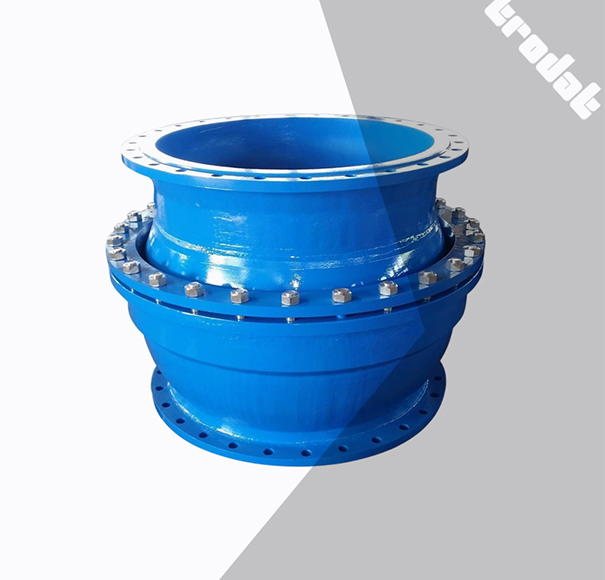
Connection systems are crucial for keeping seals tight under changing pressures. Flange connections suit fixed setups. They deliver strong sealing in high-pressure spots. Quick couplings speed up joining in field work. They fit situations where quick moves are key.
Floating or underwater setups call for varied connection options. These ensure steadiness against waves or water currents. Floating pipelines often use bendy rubber joints or swivel parts. They handle shifts without weakening the joints. Underwater systems depend on tough couplings. These endure water pressure and keep lines straight on bumpy sea floors.
How Do Different Dredging Environments Influence Pipeline Application?
Dredging settings differ a lot across ports, rivers, and offshore land-building sites. Each place sets specific needs for pipeline design, setup methods, and running details.
Port and Harbor Dredging Projects
Port dredging needs steady long-range slurry movement. Continuous flow control is vital for keeping output steady. Floating pipelines are often used here. They adjust well to tide changes and boat activity near docks. Rough sediments like sand and gravel appear in port areas. So, tough materials such as steel or rubber-lined pipes are essential. They limit wear damage over time.
Port work also calls for sectioned floating systems. These come with float modules that hold a steady height above water. They manage shifting loads from waves or boat wakes.
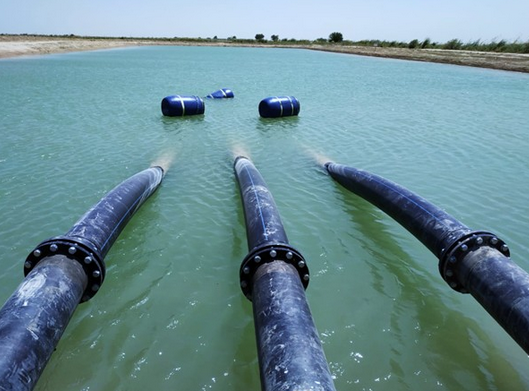
River Channel Maintenance and Environmental Dredging
River channel upkeep projects usually pick light HDPE pipelines. Their simple setup works in shallow waters and uneven ground. The bendiness lets them trace river shapes without much strain on joints or holds. For eco-friendly dredging that clears polluted sediments, systems with low cloudiness in discharge come first. They reduce harm to nature further along the river.
Bendy joints also allow easy turns in direction. This helps during work on winding river paths. Rigid steel lines would not fit well in such spots.
Offshore Reclamation and Land Reclamation Projects
Offshore land-building means long slurry hauls in tough sea conditions. Strong floating pipelines with good float modules are the top choice. They stay stable against wave shakes while carrying heavy material loads. Anti-corrosion layers boost lifespan in salt water areas. They stop metal breakdown.
A sectioned design makes handling easier in big land projects. It allows simple transport and joining of pipeline parts at sea. Standard fittings support this process.
What Are the Key Technical Parameters in Pipeline System Design?
Building an effective dredging pipeline system means blending hydraulic improvements with strength checks. The goal is steady output with low energy use.
Hydraulic Performance Optimization
Checking pressure drops is basic for picking pumps and pipe sizes that fit project needs. Flow speed must exceed key limits to avoid sediment settling in the line. At the same time, it should not create too much swirl that speeds up inside wear.
Tools like Computational Fluid Dynamics (CFD) simulations help see flow patterns. They cover curves, valves, or joins in tricky setups. This lets engineers tweak things ahead of real use.
Structural Strength and Stability Analysis
Pipelines require enough wall depth to handle inside pressure from slurry flow. They also need to resist outside forces from waves or boats. Bendy support frames, like jointed floats, soak up moving pressures in sea work.
Wear-out checks make sure repeated strains do not cause breaks or bends over long runs. This is especially true for steel floating lines that face constant shifts.
Maintenance Strategies for Long-Term Operation
Good maintenance plans include regular checks of joints, floats, inner layers, and tie-down spots. They spot early leaks or blocks. Replacement times should base on real wear data from running. Sensors or watchers can gather this info.
Using forward-looking maintenance with sensor input boosts trust. It finds issues before they halt work. This cuts costs from sudden fixes and short stoppages.
How Can TRODAT (Shandong) Marine Engineering Co., Ltd. Support Dredging Projects?
TRODAT (Shandong) Marine Engineering Co., Ltd. leads in making marine gear. The company supplies full answers for dredging in ports, rivers, and sea sites. It does this through its strong dredging pipelines built for lasting use and good results.
Product Range and Technical Advantages
TRODAT has a wide pick of steel pipes for tough port dredging. HDPE pipelines fit bendy river setups. Rubber-lined pipes handle wear well. Composite types offer light but sturdy work in varied spots. The firm’s modern making methods ensure even wall depth. This gives steady hydraulic flow over long stretches. It also cuts weak areas that fail under pressure.
Made-to-order float modules improve steady float. They support long slurry moves even in changing sea moods during land-building tasks.
Engineering Support and After-Sales Service
TRODAT gives skilled advice on hydraulic tweaks, setup plans, system joining tips, and on-site watching. These ensure projects meet rules from start to end. Field help speeds up putting parts together. It shortens start-up times compared to usual ways.
Full after-sales care covers planned upkeep training for teams. It includes spare parts flows to keep systems running without breaks. Ongoing checks of performance support this. They improve asset life across global setups.
Conclusion: Enhancing Efficiency Through Proper Pipeline Selection
Choosing fitting dredging pipelines means matching material traits with setting hurdles. It also lines up hydraulic details for top output efficiency in safe runs. By using fresh designs from experts like TRODAT (Shandong) Marine Engineering Co., Ltd., those in port dredging or sea land-building gain better work rates. They also see lower full-life costs. This comes from stronger trust built into today’s sea projects around the world.
FAQs
What is the typical lifespan of a dredging pipeline?
The lifespan varies by material kind, sediment roughness, pressure during use, and sticking to upkeep schedules. It usually spans 3–10 years in standard settings. Proper care practices help maintain this throughout the service time.
How can wear inside the pipeline be minimized?
Pick tough materials like rubber-lined or composite builds. Keep flow speed above key levels. This cuts erosion inside. Regular checks spot issues early. They stop major harm from growing.
Are floating pipelines suitable for deep-water operations?
Floating pipeline groups work best in shallow to medium depths. Buoyancy limits play a role here. Deep-water jobs need half-sunk or full-sunk strong setups. These offer better steadiness against water forces at deeper levels. They keep work solid over long times.

Post Comment