



A grab boat, also known as a grab dredger, is a special marine vessel built to dig up and clear sediments from underwater areas like seabeds, riverbeds, or harbor basins. Its main feature is the grab or clamshell bucket that does the digging work. The straightforward mechanics and adaptable operations of grab boats make them vital for port upkeep, environmental cleanup, and building dredging jobs. These tasks often need careful control and easy movement.
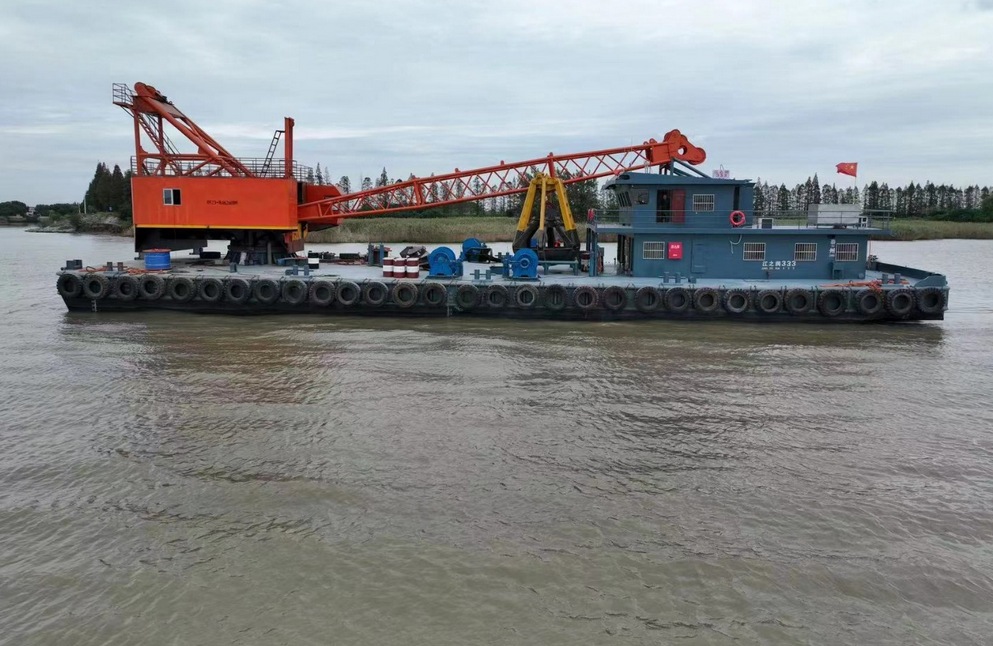
Key Components of a Grab Boat
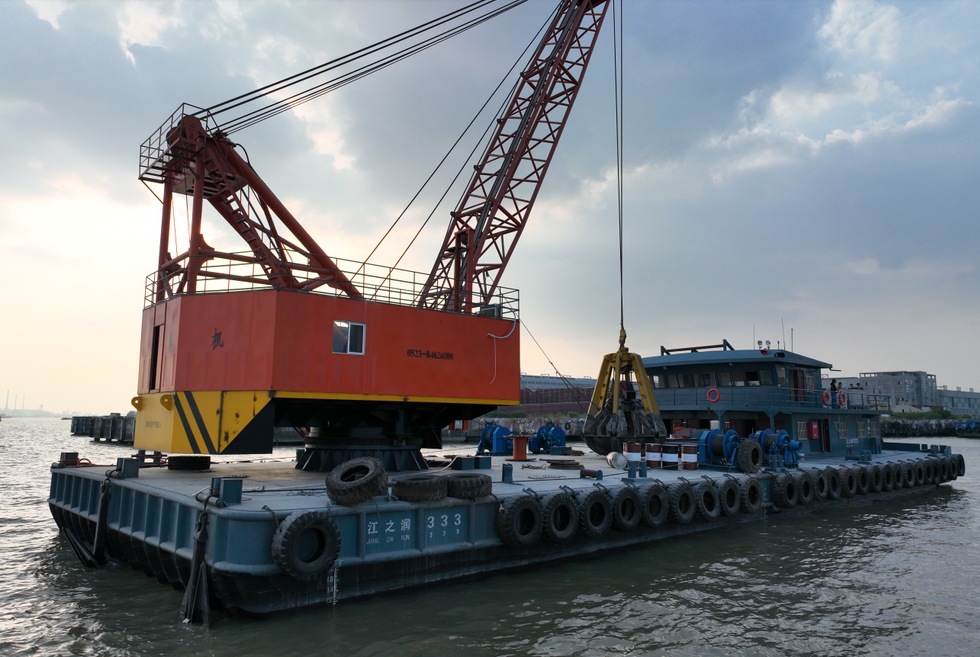
The main part of a grab boat is the grab or clamshell bucket. It acts as the primary digging tool. This bucket has two hinged jaws. They come together to scoop up sediment. The hoisting system handles the up-and-down motion. It lets the grab drop to the seabed and rise after picking up material. This setup usually includes winches, wire ropes, and pulleys. They are set up to handle heavy loads well. The power system can be hydraulic or electric. It powers these parts. Hydraulic setups are popular for their even control and strong torque output. Electric ones are common in areas sensitive to the environment. They produce less noise and fewer emissions.
Working Principle of Grab Dredging
The process starts when the grab goes down through the water. It moves under careful control until it touches the seabed. Then, the jaws shut with enough power to grab sediment or debris. After that, the full grab rises using the winch system. It swings over to a barge or hopper for unloading. This repeating cycle allows for exact digging. It works well even in tight or uneven spots, like dock corners or near quay walls. Since each lift is managed one at a time, workers can change depth and position as needed. This boosts accuracy in clearing sediment. It avoids upsetting nearby structures.
How Are Grab Boats Classified Based on Structure and Function?
Grab boats vary a lot in their build based on what they are meant for, how much they can dredge, and how mobile they need to be. This sorting helps pick the right one for certain marine engineering tasks.
Classification by Hull Type
Self-propelled grab boats have drive systems. These let them move on their own between digging spots. Such boats suit jobs that need regular shifts over fair distances. On the other hand, non-propelled grab boats do not have built-in drive. They need tugboats to pull them. Yet, they offer better steadiness during digging. This comes from their basic hull design and lower center of gravity. It helps when using heavy grabs in deep water or fast currents.
Classification by Dredging Mechanism
From a mechanical view, single-bucket grab boats use one big clamshell bucket. It works in cycles. These are good for small upkeep dredging, like clearing silt near piers or marinas. Multi-bucket systems use several grabs. They operate one after another or at the same time. This setup gives steady dredging with better output. People often use them in big harbor deepening work. There, constant productivity matters most.
What Are the Key Factors in Selecting a Grab Boat for Specific Applications?
Choosing the right grab boat means looking closely at site conditions, sediment details, work efficiency needs, and how it fits with extra gear.
Environmental Conditions and Sediment Characteristics
Site factors like water depth, current velocity, and sediment type shape the gear pick. Soft stuff like silt needs light grabs with even edges. This cuts down cloudiness when lifting. Rough stuff like gravel calls for tough grabs with hard teeth. They help with breaking in. Also, salt levels impact choices for rust resistance. In salty marine spots with high chloride, stainless steel parts are better.
Operational Efficiency and Capacity Considerations
The bucket volume sets how much material a cycle can handle. Bigger buckets mean more output per go. But they need stronger lifting setups and firm bases. Improving cycle time is key. This is the time from drop to dump. It helps raise daily work rates. At the same time, it lowers energy use. Smart control setups with live sensors can fine-tune this. They change lift speed based on weight input.
Integration with Supporting Equipment
Grab boats rarely work alone. They team up with barges, positioning systems, and sometimes drag heads in mixed dredging plans. Good linking makes smooth material shifts and spot-on placement during work. New auto features like GPS-led crane guides boost care in tough jobs. Examples include fixing channel lines or removing dirty sediment.
How Does the Drag Head Complement Grab Boat Operations?
Drag heads are usually linked to suction dredgers. But they can aid grab boat work in some ground types. This is especially true for packed sediments.
Functional Relationship Between Drag Head and Grab System
In mixed setups, a drag head fits at the vessel’s front. It acts as a prep tool. It breaks up hard seabed layers before the grab digs. This teamwork raises overall work speed. It cuts pushback when the bucket shuts. It also allows deeper reach into sticky soils like clay or packed silt near harbor floors. The drag head stirs material by machine. This makes later pickup by the grab smoother.
Technical Specifications Influencing Performance
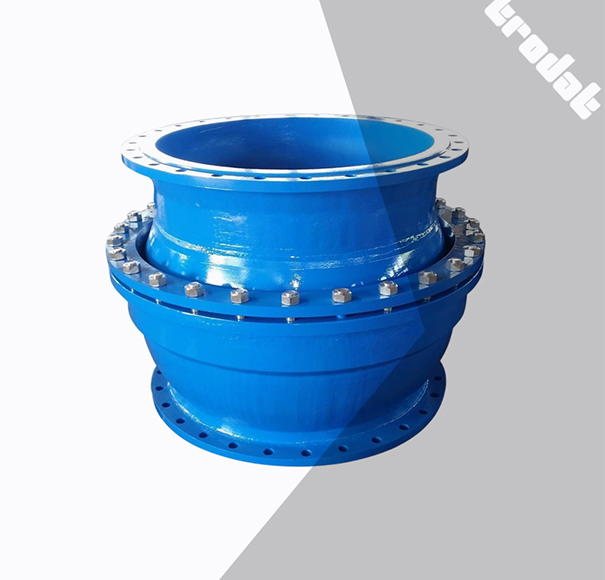
A drag head’s work relies on key specs. These include flow rate, suction diameter, and build materials tough against wear from rough bits like sand or shell pieces. Bendable drag arms let it adjust to different seabed shapes. Operators can keep steady touch angles on sloped ground. In top setups from makers like TRODAT (Shandong) Marine Engineering Co., Ltd., drag heads use swap-out wear plates. These are from strong alloys. They last longer under steady use.
Why Choose TRODAT (Shandong) Marine Engineering Co., Ltd.?
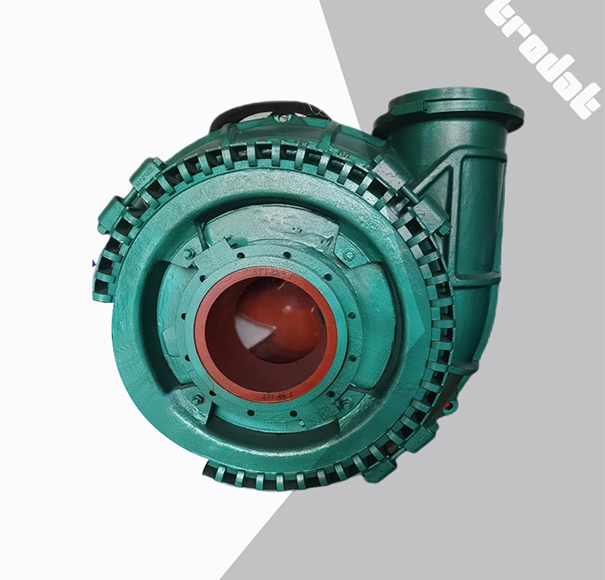
TRODAT (Shandong) Marine Engineering Co., Ltd. leads in full dredging fixes. It covers grab boats, cutter suction dredgers, trailing suction hopper dredgers, pumps, pipelines, and add-ons like drag heads. All are built for lasting strength and peak work in many sea settings.
Commitment to Quality and Innovation
TRODAT focuses on exact building backed by fresh production methods. These match world standards like ISO for quality control. Its research team keeps making new hydraulic controls. They aim to boost energy savings. At the same time, they meet green rules with less output and sound during work. This is big for today’s port builds.
Comprehensive Service Capabilities
Besides top making, TRODAT gives full support. This includes custom designs fit to job needs. From hull tweaks to power picks based on local spots. Help covers setup oversight, worker training, parts supply lines, and long upkeep ties. These ensure steady trust over each vessel’s life.
Summary of Key Insights on Grab Boat Selection and Application
Picking a good grab boat means weighing build traits against work needs. Think about sediment fit and teaming with tools like drag heads at the front for better soil break-up. A well-set system raises digging care. It cuts work stops. Plus, it follows green safety rules key for lasting sea engineering ways.
Frequently Asked Questions (FAQs)
1. What are the main advantages of using a grab boat over other types of dredgers?
Grab boats give great bend in tight spots. Bigger suction dredgers can’t work well there. They handle exact sediment clear-up for upkeep in ports or rivers. They need less setup gear than cutter suction types.
2. How often should a grab boat undergo maintenance?
Upkeep timing depends on how much it is used. But full checks on hydraulic lines, wire ropes, bucket joints, structure seams, and power links should happen after each big job round. This keeps safe work going.
3. Can TRODAT supply customized grab boats for specific project conditions?
Yes. TRODAT (Shandong) Marine Engineering Co., Ltd. offers full custom fixes. They match client details on capacity shifts, hull picks (self-propelled or non-propelled), power setups (diesel-electric hybrid choices), green fits (anti-rust covers). This ensures top work in varied sea spots. There, grab boats and drag heads team up in linked dredging plans.

Post Comment