



Cabo de aço marítimo is used in a variety of vessel operations such as mooring, towing, lifting, anchoring, dredging and offshore support. There are many different variables to consider when selecting the proper wire rope for the job, including the type of vessel that it will be used on, the environment in which it will be used, the amount of load that it will encounter and relevant compliancy issues. A wire rope suitable for use on a cargo vessel will not be suitable for a fishing boat, offshore support vessel or luxury yacht due to the vastly different operational demands placed on them, and the vastly different environmental conditions in which they are used.
As the marine industry moves to focus on safety, improved efficiency and reduced life cost, quality wire rope that is to last has become an important factor for ship owners and marine engineers alike. Some of the key factors that affect the reliability of a wire rope’s long term operation are corrosion resistance, fatigue life, tensile strength, flexibility and maintenance requirements.
Selecting the right marine wire rope for different types of vessels is explained in this guide. The guide will assist ship owners and operators, fleet managers as well as purchasing staff to choose the correct wire rope for their specific needs in daily practice.
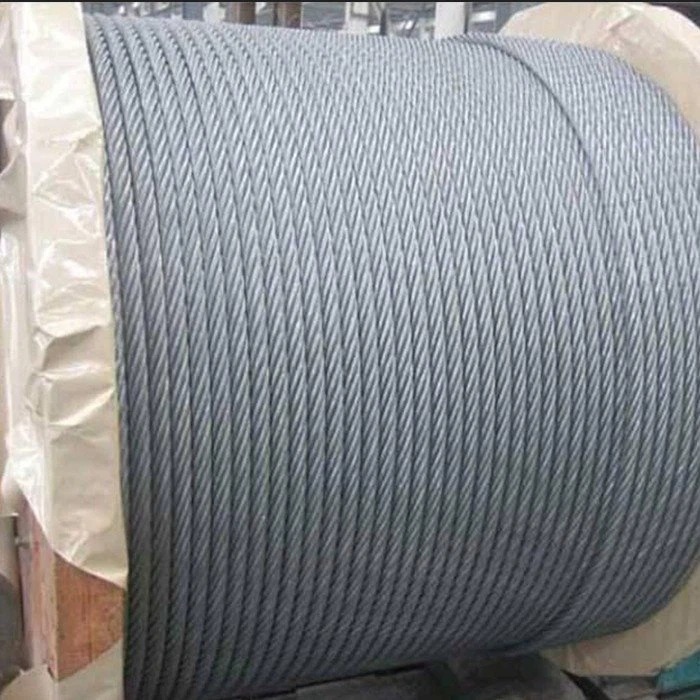
What Factors Influence the Selection of Marine Wire Rope?
Choosing the correct Marine Wire Rope for your vessels requires good knowledge of the working conditions of your vessels, the environmental conditions it will be exposed to, and the performance required from the wire rope. It is crucial to choose a correct wire rope to safe, durable and to comply with the relevant maritime standards.
Material Composition and Corrosion Resistance
A variety of environments exist within the Marine Industry and Wire Ropes are often exposed to Saltwater, Humidity and ongoing Mechanical Stress. Within these environments the two most common materials used are Stainless Steel and Galvanized Steel. Stainless Steel has been found to offer excellent resistance to corrosion from Seawater, enabling offshore vessels to operate in harsh conditions. Galvanized Steel is a cost effective alternative by coating the steel with a layer of Zinc to hinder the onset of Rust. The Linear Contact steel Wire Rope offers a Large Rupture Force and an extended Fatigue Life, whilst also possessing excellent Corrosion Resistance making it suitable for the toughest environments and applications. Corrosion Resistance is a key factor in the Working Life of any material, therefore choosing the correct material for the application will ensure minimal required maintenance and associated downtime.
Load Capacity and Safety Margins
Marine operations such as mooring or towing need to be conducted with specific load capacities. In the course of designing such operations, the engineer must determine a safe load bearing capacity. This load bearing capacity is usually based on international maritime standards such as the ISO 2408 or ABS certification. Overloading in turn reduces the fatigue life of a part and can even cause a failure. Thus it is very important to determine the correct load in high-tension operations, for example with a crane hoist or with anchor handling.
Flexibility and Fatigue Resistance
When performing dynamic marine operations, it is essential that a rope is as flexible as possible and can absorb a lot of bending action. Fatigue resistance is vital in marine conditions as most moorings and marine structures go through cyclic loading, whether it be through constant winching or lifting between two points. The way that a rope bends is affected by its construction. A line contact wire rope is constructed by twisting multiple wires into a rope. The wires in the rope are in contact with each other in a linear fashion, which increases the contact area between the wires and improves the rope’s strength and durability. This is especially important for fatigue resistance, but does not have to affect the rope’s tensile strength.
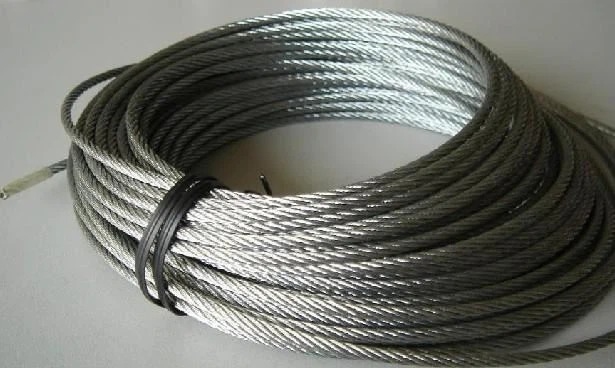
How Does Vessel Type Affect Wire Rope Selection?
The various types of vessels require marine wire ropes to perform different tasks within different environments using different mechanical parts.
Cargo Vessels and Bulk Carriers
Heavy duty ropes are required for the mooring, towing and cargo handling of cargo ships. In order to be used on deck they require high tensile strength as well as abrasion resistance for the constant use of deck machinery. In the outdoor environment of a deck galvanized wire ropes are preferred as they can be used for long periods of time without the need for replacement.
Fishing Vessels
As fishing operations are carried out in the sea, it is exposed to seawater for long periods of time. This is where stainless steel ropes have an advantage in terms of corrosion resistance. A lightweight yet strong rope enables efficient trawling while minimizing net drag. In addition, a smooth surface finish prevents damage to other fishing gear while being retrieved.
Passenger Ships and Yachts
While providing safety on yachts and passenger ships, aesthetic characteristics of wire ropes can be supported by synthetic coatings. Thus, wire ropes with synthetic coatings have smooth surface which enable good handling and which reduce vibration during berthing. Furthermore, synthetic coatings support design of boats by not decreasing tensile force of wire ropes.
Offshore Support Vessels (OSV) and Tugboats
Offshore support vessels are exposed to huge dynamic loads while towing or lifting. In order to prevent these vessels from twisting while under such load an anti-twist construction is applied. The huge number of tensioning cycles that this type of vessels are exposed to, demands a correct choice of the intervals for inspections of the hull’s structures.
What Are the Key Technical Specifications to Evaluate?
Choosing the correct marine wire rope to use extends beyond choosing the correct material, and actually requires matching the specifications of the wire rope to the appropriate applications or systems.
Diameter and Construction Type
Diameter of rope must match size of grooves of winch or pulleys to prevent slipping or uneven distribution of force. The type of rope construction also allows for flexibility, i.e. 6*19+IWR/IWS (steel core steel wire rope) is balanced for use in hoisting cranes in marine environments such as on deck, in harbors and offshore.
Coating and Lubrication Requirements
The zinc coating on our 7×7 strands increases corrosion protection in saline atmospheres. Also the internal lubrication between the individual strands increases the service life of the wire ropes under heavy duty and long running applications. It also prevents excessive heat build up.
Compliance with Marine Standards
Maritime certification of ropes are usually approved by classification societies as e.g. ISO 2408 and then also approved by other maritime parties such as ABS, DNV, Lloyd’s Register, BV or CCS. In this way it is possible to control quality on all the different types of applications in all the different maritime areas. Approved ropes are tested according to very strict test programs and are therefore suitable for offshore applications where human lives are at risk.
How Can Maintenance Practices Extend Rope Lifespan?
Marine maintenance strategies have evolved significantly and are now known to enhance vessel durability greatly and to reduce total cost of ownership for marine operators.
Inspection Frequency and Methods
Early signs of strand deformation or corrosion pits can be identified during regular inspections prior to cable failure. Magnetic flux testing, as an non-destructive test method, enables a non-destructive internal examination of the core of lift hooks, winch wires etc. in safety-related applications such as lifting and towing.
Cleaning and Lubrication Procedures
After each voyage wash off salt-deposits with fresh water and re-lubricate exposed parts to prevent oxide formation. Periodically reapply lubrication to ensure smooth running of strands under load.
Storage Conditions Onboard Vessel or Dockside Facility
Ropes should be stored in dry ventilated spaces shielded from direct sunlight or chemical vapors that accelerate degradation. Coiled storage configurations reduce kinking stress when not deployed at sea.
Por que escolher a TRODAT (Shandong) Marine Engineering Co., Ltd.?
TRODAT (Shandong) Marine Engineering Co., Ltd. is a reliable supplier of custom-made solutions for global fleets operating in different environmental conditions. TRODAT is a Chinese professional supplier of dredging equipment of Chinese famous brands or international brands as required. With years of experience, we specialize in the integration of design for new dredgers and the maintenance of existing dredgers worldwide. Our company has substantial technology, strict management system, sophisticated sales philosophy, highly qualified human resources of technique and sales, and a range of advanced equipment of manufacture, inspection and testing. Our marine wire ropes are corrosion-resistant stainless steel ropes, galvanized steel ropes for heavy-duty work, and fully certified wire ropes for various marine applications meeting the requirements of ABS, DNV, BV, and CCS, which can be used on offshore support vessels for oil and gas operations, and other marine applications such as cargo handling systems.
What Are the Final Considerations When Selecting Marine Wire Rope?
Choosing the correct marine wire rope is a balance between mechanical properties and environmental durability and must also be compatible with other on board systems.
Integration with Vessel Systems and Equipment Compatibility
Deck machinery components such as winches or cranes need to be compatible with the rope diameter to ensure safe operation. Correct sizing will help prevent uneven wear or stress on the load which could result in a failure during hoisting on offshore platforms or in a port.
Lifecycle Cost Evaluation
Compare initial cost with the life span of the product under operational load. High quality certified ropes like these provide protection against risk of down time due to frequent change outs. They provide long term cost savings by being very reliable.
FAQs about Selecting Marine Wire Rope
1. What is the difference between stainless steel and galvanized marine wire rope?
Stainless steel provides superior corrosion resistance suitable for saltwater environments whereas galvanized versions use zinc coating for general-purpose applications at lower cost levels.
2. How often should marine wire rope be replaced?
Typical replacement intervals for components are based on the military’s definition of operational intensity and are generally a few years for normal military usage. The point at which wear is deemed to be too great would typically be indicated by inspection results.
3. Can synthetic-coated wire ropes replace traditional steel ones on yachts?
Yes. The new synthetic-coated alternatives have improved aesthetics and grip comfort. The parts however still have to meet the design load requirements of the vessel’s specifications.
4. Which standards certify high-quality marine wire ropes?
Certifications for plastic pipes and fittings such as ISO 2408 as well as those from recognized Classification Societies like ABS (American Bureau of Shipping), DNV (Det Norske Veritas), Lloyd’s Register, BV (Bureau Veritas) and CCS (China Classification Society) are recognized.
5.What maintenance step is most effective in preventing corrosion?
A number of factors contribute to the extended service life of ropes and their associated hardware components. For example, regular washing of exposed metal work with fresh water, followed by relubrication, effectively combats the corrosion that can occur as a result of residual salt deposits.
By matching the technical characteristics of the label printers with the specific features of the vessels, and selecting reliable suppliers such as TRODAT, marine engineers can guarantee optimal use of their products in all types of marine environments. The key to this is to guarantee reliability.

Postar comentário