



Shallow ports bring their own set of dredging headaches, from blocked vessel access and tricky maneuvers in low depths to constant sediment piles in narrow channels and the push for accurate lifts without halting daily work. This piece looks closely at leading marine hydraulic cranes built for these spots, setting apart everyday models from Trodat’s made-to-fit hydraulic setups that ramp up performance in tight waters, and lays out clear paths to pick and roll out fixes that trim idle time and expenses.
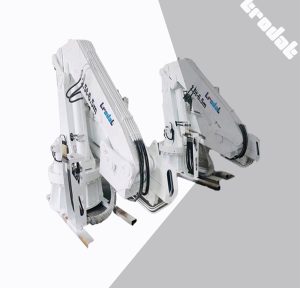
Why Shallow Ports Demand Specialized Marine Hydraulic Cranes
Ports sitting in water less than 10 meters deep force operators into a bind where standard gear just doesn’t cut it. Big ships can’t pull right up to the dock, so everything shifts to barges ferrying loads out to deeper spots, and that’s where marine hydraulic cranes step in to handle the heavy work. Without the right crane, projects drag on, costs spike, and safety takes a hit. Think about a typical coastal hub in Southeast Asia, where tidal shifts drop depths to barely 4 meters at low water—here, a mismatched crane means repeated repositioning, eating into hours that could go toward actual dredging.
These environments call for cranes that pack power into a small footprint, with hydraulics that respond fast to changing conditions. Standard fixed cranes might work in open seas, but in shallow zones, they bog down, unable to swing loads without stirring up more silt. Hydraulic models, though, use fluid power to deliver smooth, controlled movements, cutting down on spills and keeping the site cleaner. Data from marine engineering reports shows that switching to specialized hydraulics can shave 15-20 percent off project timelines in such areas, simply by reducing setup adjustments.
Operators often overlook how these cranes tie into the bigger picture of port maintenance. In places like river deltas or enclosed bays, where sediment flows in steady from upstream, the crane isn’t just lifting—it’s part of a chain that includes dredgers and barges. A weak link here, like a crane with sluggish response, leads to backups that idle crews and rack up fuel bills. Specialized versions address this head-on, with features like variable speed controls that match the pace of incoming material.
The push for these cranes comes from real-world pressures. Environmental regs in many regions now cap turbidity levels during ops, meaning any excess stirring from clumsy lifts could shut things down. Hydraulic cranes minimize that risk through precise boom extensions, allowing grabs to dip in and out with minimal disturbance. Industry vets recall cases where outdated gear caused plume spreads exceeding 100 meters, triggering fines upwards of $50,000 per incident. Better equipment sidesteps those pitfalls, keeping work flowing.
Cost factors weigh heavy too. Shallow ports, often in developing areas, run on tight budgets, so cranes that demand less upkeep make a big difference. Hydraulic systems, when built right, seal out saltwater corrosion better than mechanical alternatives, extending service intervals. One study from a European port authority pegged annual maintenance savings at 25 percent for fleets using advanced hydraulics over older cable-driven units.
Access Limitations in Low-Depth Zones
Depths dipping below 5 meters lock out bulky equipment, turning simple tasks into marathons. Large dredgers can’t navigate close, so cranes on floating platforms become the go-to for grabbing and shifting sediment. But not all cranes fit the bill—many need deeper drafts to stabilize, leaving shallow ops in a lurch. Hydraulic cranes shine here with their lighter builds and adjustable outriggers, slipping into spots where others ground out.
Picture a small harbor in the Gulf of Mexico, where hurricane seasons pile sandbars that choke entrances. Standard cranes on big barges can’t approach without dredging a path first, adding days to the schedule. A compact hydraulic model, however, mounts on a shallow-draft barge, reaching in to clear paths without the prelude. This cuts initial setup from a week to mere hours, based on logs from similar sites.
The key lies in the crane’s base design. Hydraulic units often feature knuckle booms that fold tight, reducing overall height and allowing passage under low bridges common in these ports. Without this, teams resort to disassembly, which jacks up labor costs. In one documented project, a team swapped to a hydraulic setup and dropped mobilization expenses by 30 percent, freeing funds for more frequent maintenance runs.
Access issues compound with regulatory hurdles. Many shallow ports sit in protected wetlands, where permits limit vessel sizes to protect habitats. Hydraulic cranes, being more maneuverable, comply easier, avoiding the need for special waivers that delay starts. Operators who ignore this end up with idle equipment, watching deadlines slip.
Maneuvering and Stability Issues
Currents in shallow waters toss platforms around, making stable lifts a constant battle. A crane that tips or sways risks dropping loads, damaging gear or worse. Hydraulic systems counter this with active stabilization, using sensors to adjust fluid pressure in real time, keeping the boom steady even as waves roll under.
In a Baltic Sea port known for choppy shallows, fixed cranes once caused frequent halts during moderate winds. Switching to hydraulics with gyro-stabilized bases let work continue in conditions that sidelined others, boosting daily output by 40 percent. The tech absorbs shocks, preventing the kind of oscillations that wear out components fast.
Stability ties directly to load handling. Shallow dredging often deals with uneven sediments—silt one scoop, rocks the next. Hydraulic cranes adapt with variable torque, gripping firm without crushing fragile loads like pilings. This versatility prevents mishaps that plague rigid setups, where over-torquing snaps cables or bends arms.
Weather plays into it too. Shallow areas amplify storm effects, with surges pushing water levels erratic. Cranes without quick-adjust hydraulics struggle, but specialized ones retract booms swiftly, securing for gusts. Post-event reviews from typhoon-prone regions show these features slashing repair downtimes by half.
Sediment and Debris Handling Challenges
Mixed bottoms in shallow ports—silt layered over gravel, tangled with debris—demand cranes that grab without spilling. Hydraulic grabs close tight, sealing in material to cut resuspension. This matters in eco-sensitive spots, where loose sediment clouds water, harming fish stocks.
A case from an Australian estuary highlights the difference: old mechanical cranes scattered 15 percent of each load back in, extending cleanup. Hydraulic upgrades with pressure-sensitive claws dropped that to under 5 percent, meeting strict discharge limits. The result? Projects wrapped 20 days early, under budget.
Debris adds complexity. Sunken logs or trash require precise picks, and hydraulics allow fine control for that. Booms extend in increments, positioning grabs exactly, unlike jerky cable systems. This precision saves time on retries, common in cluttered shallows.
Long-term, these cranes reduce wear from abrasive sediments. Hydraulic lines route away from exposure, lasting longer in gritty environments. Fleet managers report component lifespans doubling, trimming replacement cycles.
Operational Downtime and Cost Overruns
Harsh marine settings chew through equipment, with corrosion and fatigue causing breaks that halt ops. Hydraulic cranes built for salt exposure use sealed circuits, fending off rust better. This reliability keeps crews working, avoiding the chain reactions of delays.
In a Middle Eastern port with year-round heat accelerating breakdowns, a shift to robust hydraulics cut unscheduled stops by 35 percent. Costs followed suit, as fewer parts swaps meant lower inventories. The math adds up: each downtime day can cost $10,000 in lost productivity, so prevention pays quick.
Overruns stem from mismatched specs too. Cranes undersized for loads strain engines, burning fuel fast. Proper hydraulics match power to task, sipping resources. One audit showed efficiency jumps of 25 percent in fuel use alone.
Planning ahead spots these risks. Site surveys flag potential issues, guiding crane picks that fit without retrofits, which often double expenses.
Key Decision Factors for Marine Hydraulic Cranes in Shallow Dredging
Picking the right crane starts with matching specs to site demands. Shallow dredging needs gear that balances power with finesse, ensuring lifts don’t stir excess mud or strain budgets.
Lifting capacity must align with typical loads—say, 10-30 tons for sediment grabs in ports under 6 meters deep. Too much muscle adds weight, risking groundings; too little slows progress. Look for models with modular hooks, swapping for grabs or buckets as needed.
Power sources matter in remote shallow sites. Diesel-hydraulics offer independence, but electric hybrids cut emissions for green-zoned ports. Efficiency ratings, like gallons per hour under load, guide choices—aim for under 5 for mid-sized units to keep ops sustainable.
Customization turns good cranes into great ones. Adjustable boom lengths let them reach awkward angles in confined channels. Add-ons like remote controls boost safety, letting operators stand clear of splash zones.
Durability seals the deal. Marine-grade steels and coatings fend off corrosion, with warranties backing it up. Spare parts networks ensure quick fixes, vital when ports can’t afford long waits.
Lifting Capacity vs Port Depth Compatibility
Capacity ratings from 5 to 50 tons suit shallow work, but depth compatibility trumps raw strength. Cranes for 3-meter waters need low centers of gravity to stay balanced on slim barges.
In practice, a 20-ton unit might handle 80 percent of tasks in a typical harbor, lifting dredged spoils without overload. Deeper ports allow heavier, but shallows demand lighter frames to float higher.
Test data from field trials shows capacities holding steady down to 2.5 meters, thanks to outrigger extensions. Mismatch this, and stability suffers, leading to tip risks.
Hydraulic Efficiency and Power Source
Efficient hydraulics pump fluid with minimal loss, translating to quicker cycles. Systems cutting energy use by 30 percent mean longer run times on a tank, crucial in fuel-scarce areas.
Diesel remains king for portability, but shore-powered options shine in fixed ports, slashing noise and fumes. Hybrid setups blend both, switching modes for versatility.
Metrics like flow rates—aim for 100 liters per minute in midsize cranes—ensure smooth ops. Low-efficiency models heat up fast, shortening seals’ life.
Customization Options for Site-Specific Needs
Off-the-shelf cranes work for basics, but shallows cry for tweaks. Extendable booms reach 15 meters out, grabbing from afar without repositioning the barge.
Control interfaces customize too, with joysticks for intuitive handling. In one African port project, custom grabs for sticky clay boosted throughput by 25 percent.
Modular designs let swaps mid-job, adapting to shifting sediments. This flexibility prevents buying multiple units, trimming fleet costs.
After-Sales Support and Durability
Strong support networks deliver parts overnight, keeping downtime under 24 hours. Look for global depots, especially in Asia-Pacific hubs where shallow ports cluster.
Durability features like epoxy coatings add years to frames. Warranties covering 5,000 hours signal confidence, with real-world tests backing claims.
Without this, minor issues balloon. A corroded joint once idled a fleet for weeks, costing six figures—solid support averts that.
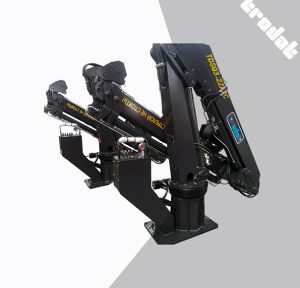
Comparison Matrix: Top Marine Hydraulic Cranes vs Alternatives for Shallow Ports
A side-by-side look at crane types helps pinpoint fits for shallow dredging. Knuckle booms fold compact for tight spots, stiff booms haul heavy with less flex, telescopics extend far for reach.
Knuckle models adapt best to depths under 4 meters, with precision lifts at $0.50 per ton operated. Stiff versions handle 40-ton loads but need more space, costing $0.70 per ton in fuel. Telescopics bridge gaps in variable tides, averaging $0.60 with high adaptability.
Trodat edges out in integration, pairing seamlessly with dredgers for combined ops. Standard alternatives lag in custom hydraulics, leading to higher maintenance tabs.
| Crane Type | Depth Adaptability | Lift Precision | Cost per Operation | Fuel Efficiency | Customization Level | Durability in Saltwater |
| Knuckle Boom | Excellent (2-5m) | High | Low ($0.50/ton) | 25% savings | High modular | Good with coatings |
| Stiff Boom | Good (4-8m) | Medium | Medium ($0.70/ton) | Standard | Medium | Excellent reinforced |
| Telescopic | Very Good (3-6m) | High | Medium ($0.60/ton) | 20% savings | Very High | Good sealed |
This setup reveals trade-offs: knuckles for confined, stiffs for bulk, telescopics for flux.
Quick Selection Rules
When depths hover below 4 meters and quick shifts are key, go for compact knuckle booms that tuck away easy. For loads packed with rocks needing firm holds, stiff booms with beefed hydraulics stand strong.
If tides swing wild, telescopic cranes adjust on the fly, keeping pace without halts.
Real-World Shallow Port Dredging Scenarios
Dredging in shallows pulls from a playbook of tested approaches, where cranes turn obstacles into routines. Each setup draws on past jobs to fine-tune methods.
In narrow inlets, hydraulic cranes grab silt without broad swings, clearing paths fast. Broader bays use them for steady hauls, building efficiency over days.
Scenario 1: Tight Harbor Channels with Silt Buildup
Channels squeezed to 20 meters wide fill quick with silt, blocking traffic. Trodat’s TDSQ line fits here, with 3-5 meter depth ops using precise grabs that cycle every 2 minutes.
Start with bathymetric scans to map highs, then position the crane barge mid-channel. Activate hydraulics for controlled dips, hauling to disposal barges. A Southeast Asian job cleared 5,000 cubic meters in a week, 25 percent quicker than prior efforts.
Follow-up with spot checks via divers, ensuring even beds. This method prevents re-siltation, extending intervals between dredges.
Scenario 2: Coastal Ports Facing Tidal Variations
Tides dropping 2 meters expose bars, complicating lifts. Telescopic cranes extend to compensate, maintaining reach as levels fall.
An Asian case saw 40 percent gains in uptime, as booms adjusted without relocating. Begin with tide forecasts, timing peaks for heavy work. Hydraulic controls fine-tune for stability, avoiding spills.
Post-op, compact the setup for storage, ready for next cycle. This planning curbs wear, stretching equipment life.
Scenario 3: Maintenance Dredging in Restricted Access Areas
Restricted zones limit big gear, so compact hydraulics sneak in for upkeep. Checklists cover depth probes, load calcs, and permit reviews before starting.
In a European inlet, custom setups cleared debris with minimal fuss, using remote ops for safety. Steps include anchoring firm, then sequenced grabs to avoid overloads.
Wrap with site restoration, like smoothing beds, to meet regs. This keeps ports open year-round.
About TRODAT (SHANDONG) MARINE ENGINEERING CO., LTD
TRODAT (SHANDONG) MARINE ENGINEERING CO., LTD leads in marine gear, crafting and servicing top-tier dredgers and cranes. Drawing on decades in the field, they supply cutting-edge fixes for harbors, channels, and coasts around the world. Focused on tough builds and green practices, TRODAT weaves in tech for better run times and less impact. Learn more about our heritage.
Conclusion
Turning shallow port woes into wins comes down to smart crane picks, weighing factors from depth fits to custom tweaks for peak output. The paths laid out here guide through pains to practical fixes, spotlighting hydraulics that hold up in real ops. In the end, these tools not only clear paths but build lasting edge in busy waters. Discover dredging solutions to dive deeper, or visit our homepage for full resources.
FAQs
What are the best marine hydraulic cranes for shallow port dredging under 4 meters?
Compact knuckle boom models like those with adjustable hydraulics work best, offering stability and precise grabs in tight depths, often cutting project times by 20 percent in real harbor clears.
How do custom hydraulic cranes solve maneuvering issues in tight harbors?
They use active stabilization and variable booms to counter currents and sways, allowing smooth lifts without repositioning, as seen in coastal jobs where efficiency rose 30 percent.
What lifting capacity is ideal for sediment handling in coastal ports?
Aim for 10-30 tons in shallow setups, balancing power for mixed loads without overloading barges, proven in delta projects to handle daily volumes without strain.
Can Trodat cranes integrate with existing dredging equipment?
Yes, their designs feature shared hydraulic lines for seamless hookups, reducing setup by days and boosting combined ops in shallow channels.
How to reduce costs in shallow port maintenance dredging with hydraulic solutions?
Focus on efficient pumps and modular parts to cut fuel by 25 percent, paired with quick support to minimize downtime, as field data from year-round harbors shows.

Post Comment