



Marine dredgers play a quiet but decisive role in global infrastructure. Ports expand, waterways remain navigable, coastal projects move forward, and environmental remediation becomes possible largely because dredging equipment does its job, often far from public attention. Yet for project owners, engineers, and procurement teams, selecting the right dredger is rarely straightforward. The choices involve more than capacity or size. They involve soil conditions, operating depth, transport logistics, lifecycle cost, and long-term reliability.
This guide is written for professionals who need a clear, experience-based understanding of marine dredgers, the different dredger types used in marine engineering, and the real cost factors behind dredging equipment, beyond brochure numbers.
What Marine Dredgers Actually Do in Marine Engineering
In simple terms, marine dredgers are built setups made to dig, move, and at times handle underwater stuff like sand, mud, dirt, or stones. These items may get taken to make channels deeper, build land, aid sea building, or fix nature in streams and ponds.
Unlike ground digging, dredging works in shifting settings. Water level changes, ground mix differs by spot, and sight is short. So, dredger build has grown around firmness, steady work, and fit to local earth.
In marine engineering tasks, dredgers seldom stand alone. They act as part of a setup that might have lines, floating bases, spot tools, tie boats, and extra pumps. This setup view is vital when looking at dredger types.
Main Types of Dredgers for Marine Engineering Projects
Cutter Suction Dredgers
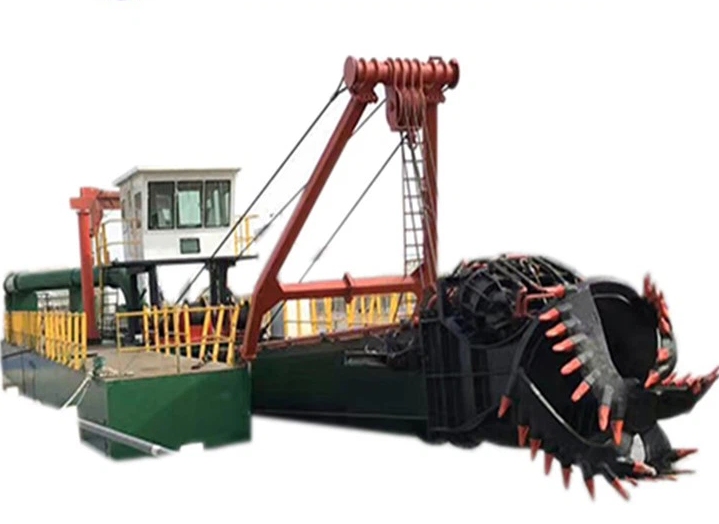
Cutter suction dredgers get used a lot in stream digging, port making, and land building jobs. They work by cutting hard soil with a turning cut head while a pump pulls the stuff into a suction pipeline at the same time.
What marks this dredger type is handling. Cutter suction dredgers let workers do fine work, mainly in sticky soils or low waters where exactness counts. In true jobs, this exactness often means less re-digging and more steady output.
In many parts of Asia and Africa, cutter suction dredgers stay the core of channel making and stream fix because they mix output with change. They fit well because they mix output with change.
Bucket Wheel Dredgers
Bucket wheel dredgers are built for steady digging. A turning wheel with scoops cuts into soft to mid soils, sending stuff to a suction system. This build lets steady output over long times.
In big sand pulling or port upkeep jobs, bucket wheel dredgers give work firmness. Their basic machine side also fits places where steady output beats fine exactness.
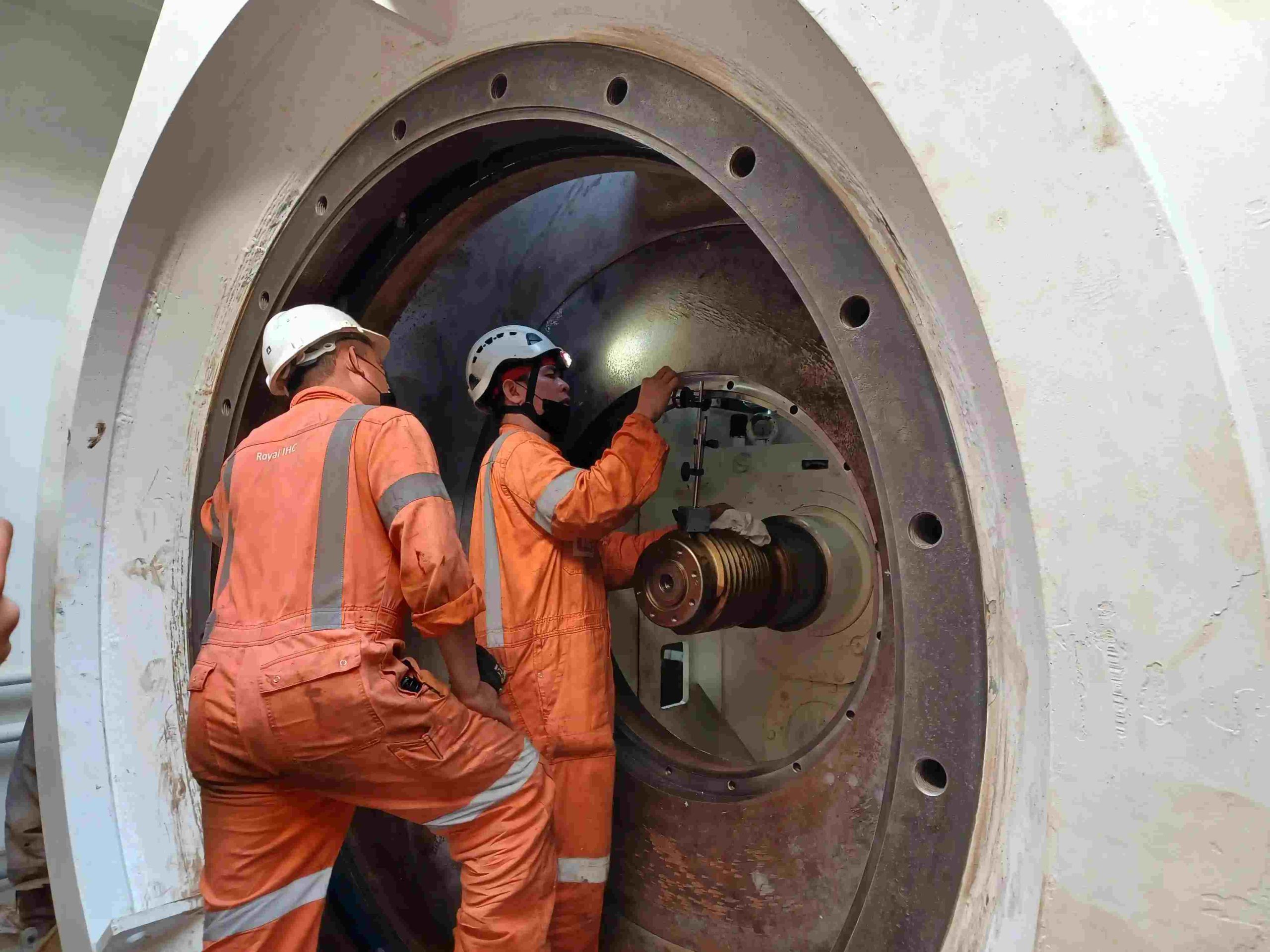
From a build view, the bucket wheel set, gear box strength, and seal system are main work parts over time.
Trailing Suction Hopper Dredgers
Trailing suction hopper dredgers are moving dig boats able to sail while digging. They get used in sea and deep water tasks where stuff must get picked and moved over space.
These dredgers do well in loose sand and mud. Their strength is in moving. For port groups handling upkeep digging over wide spots, trailing suction hopper dredgers give top coverage.
But, their complex build and cost mean they usually go to big, long jobs.
Grab and Backhoe Dredgers
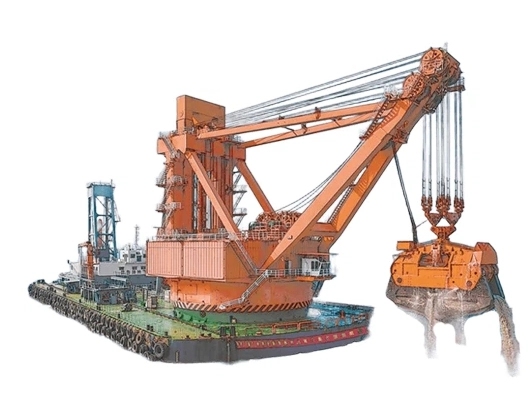
Grab dredgers and backhoe dredgers get used in tight spots like docks, city streams, and fix areas. They depend on machine digging with grabs or scoops on cranes or diggers.
While their output is less than pull dredgers, their bend makes them useful in jobs with short space or tight rules.
How to Match Dredger Types to Real Project Conditions
Picking among dredger types for marine engineering is less about like and more about match. Ground makeup is the first thing. Loose sand acts much different from tight dirt or mixed ground with bits. Water depth and wave states further shape gear firmness.
Another often low-rated thing is stuff move space. Jobs needing long outflow lines put extra needs on pump pick, fluid systems, and power use. In these cases, system build gets as key as the dredger.
Skilled job groups also think about setup. Moving a dredger to a far spot can much hit times and costs. Split builds and local put-together choices can cut move risk.
Understanding Dredging Equipment Cost Beyond the Purchase Price
The word dredging equipment cost is often misread. Buy price is only one part of the math. For most marine engineering jobs, full cost over time counts far more.
Running fuel use, wear part swap, crew needs, stop risk, and after-sale help all shape true cost work. A dredger that seems cheap first may turn costly if spare parts are hard to get or if tech help slows during busy work.
Life plan also counts. Many digging jobs run years, not months. Gear that holds steady output over long runs often gives better worth even if first spend is more.
Engineering Depth: Why Components Matter More Than Headlines
In pro digging, work depends on parts. Cut heads, bucket wheels, dredging pumps, fluid systems, and pulls must work as one under high weight and rough stuff.
For case, cut head build affects not only dig speed but also mix thickness and pump wear. Fluid system firmness hits response time and worker control. Pump pick sets how far and how sure stuff can move.
Build teams with field time know that small build picks often have big hit on work results.
Application Scenarios That Shape Dredger Design
Marine dredgers back a wide set of uses. Port and channel digging focuses on sail safety and ground handle. Stream and pond fix stresses nature hit and exactness. Sea build jobs need firmness and long run.
City and nature jobs bring added limits linked to sound, water cloud, and rule follow. In these cases, dredger pick must balance output with nature care.
About TRODAT (Shandong) Marine Engineering Co., Ltd.
TRODAT (Shandong) Marine Engineering Co., Ltd. is a professional supplier of dredging equipment and marine engineering solutions based in Shandong, China. With more than two decades of industry experience, the company focuses on providing equipment and systems that align with real project conditions rather than generic specifications.
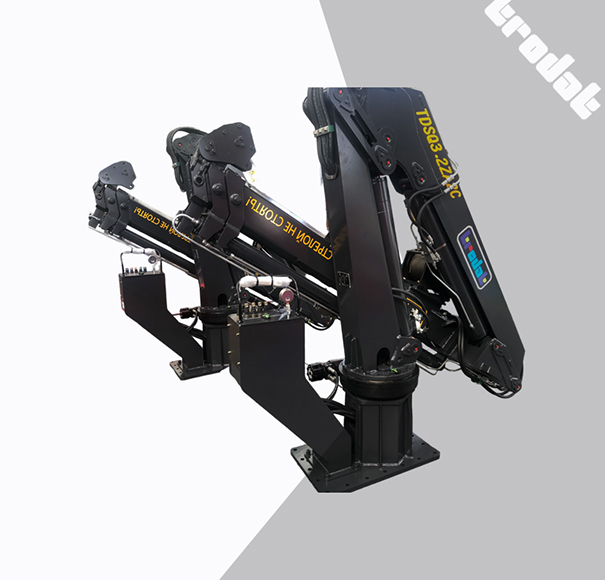
TRODAT’s product scope covers core dredging vessels, dredging devices such as cutter heads and bucket wheels, hydraulic systems, dredging pumps, deck machinery, and customized auxiliary equipment. The company supports both new dredger construction and refurbishment of existing vessels, offering technical consultation, system design, installation guidance, and long-term service support.
By integrating design, manufacturing coordination, and field experience, TRODAT serves marine engineering projects across ports, rivers, lakes, and offshore environments.
Conclusion
Marine dredgers are not interchangeable machines. Each dredger type represents a specific response to geological, environmental, and operational challenges. Understanding these differences allows project owners and engineers to make informed decisions that reduce risk and improve long-term outcomes.
When evaluating marine dredgers, focusing on real operating conditions, system integration, and lifecycle cost leads to better results than relying on headline specifications alone. As marine infrastructure continues to expand globally, well-matched dredging solutions will remain essential to sustainable development.
FAQs
What are the main types of marine dredgers used today?
Marine dredgers include cutter suction dredgers, bucket wheel dredgers, trailing suction hopper dredgers, and grab or backhoe dredgers. Each type serves different soil conditions and project requirements.
How do I choose between different dredger types for marine engineering?
The choice depends on sediment type, water depth, required accuracy, transport distance, and environmental constraints. Matching dredger characteristics to site conditions is key.
What factors influence dredging equipment cost most?
Beyond purchase price, fuel consumption, wear parts, maintenance access, downtime risk, and service support significantly affect total dredging equipment cost.
Are cutter suction dredgers suitable for environmental projects?
Yes. With proper configuration, cutter suction dredgers can operate with controlled turbidity and precise excavation, making them suitable for many environmental dredging projects.
How long does a marine dredger typically operate in one project?
Project duration varies widely, but many dredgers operate continuously for months or years, which makes reliability and lifecycle performance critical considerations.

Post Comment