



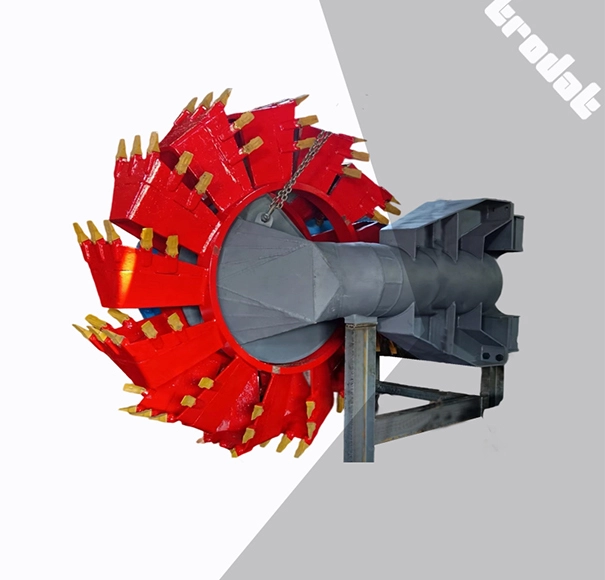
Cutterhead teeth sit right at the sharp end of every dredging job. Picture them as the real teeth that bite hard into the bottom. They tackle sand, clay, gravel, or solid rock every single day. Pick the wrong ones and your whole setup slows way down. Fuel burns faster than it should. Downtime piles up while crews swap parts out in the field.
Choose the right cutterhead teeth, though, and the dredger suddenly cuts through material much cleaner. Production rates climb higher. The equipment keeps running longer between stops.
At TRODAT (Shandong) Marine Engineering Co., Ltd., the team is finishing up a fresh high-performance cutterhead teeth series. They built it especially for tough and mixed conditions. These new teeth look set to lift overall cutterhead efficiency. They cut down resistance and keep a sharp edge as they wear.
If you run cutter suction dredgers on canal cleanouts, port expansions, or river maintenance, this guide walks you through the real decisions. It shows what separates smooth days from the frustrating ones.
Structural Analysis: How Geometry Shapes Performance
Cutterhead teeth are more than simple pointy chunks of steel. Their shape decides exactly how much force it takes to break up material. It also controls how cleanly the slurry flows afterward.
Most teeth come with a curved or angled cutting face. That design lowers drag while the head spins around. Imagine a narrow chisel tooth hitting hard gravel. The slim profile drives deep into the ground. It uses less surface area pushing against the soil. So torque stays easy to handle. The drive system does not strain as much.
Wider flare-style teeth work better in soft clay or fine sand. They sweep a broader path. This helps stop material from packing tight between the arms.
The way the tooth attaches counts too. A solid adapter or direct-weld setup keeps it locked down tight. Vibration cannot loosen it or chew up the cutter arm. Good tooth placement staggers the cut across the blades. It works just like staggered teeth on a saw. Each tooth hits fresh ground instead of riding in the groove from the one before it.
That simple stagger spreads wear evenly. It keeps the head nicely balanced. In real jobs, crews saw production rise when they switched to teeth with a self-sharpening rake angle. Life stretched out by 25 to 40 percent in abrasive river sand. The edge wears back but stays keen. It does not round off and glaze over.
Less resistance also lets the cutter driving device run smoother. It uses less power for the same swing speed.
Selection Standards: Matching Teeth to Soil Conditions
Soil always tells you what teeth to bring along. One size never fits every job. Guessing wrong costs real money in lost output or broken gear.
Hard rock or gravel layers show up often in African inland waterways and ports near mining areas. These spots need teeth built tough for impact. Look for high-toughness alloy with strong tips. They resist chipping when they slam into stones. Narrow pick-point or heavy chisel designs penetrate without bouncing. These teeth usually go on fewer but stronger arms. The head can deliver concentrated force. It avoids overloading the motor.
In one recent river project with mixed gravel and weathered rock, operators ran impact-rated teeth. They cut steadily at 80 to 90 percent of rated torque. The other choice? Teeth that shattered or bent. That forced three unplanned swaps in a single week.
Clay and fine sand appear a lot in Southeast Asia river deltas or shallow harbor work. Sticky clay likes to ball up and clog the head. Here, self-sharpening teeth with flared or serrated edges slice cleanly. They shed material fast. Wider profiles help. But the real secret is geometry that stays aggressive even as the tooth gets shorter.
Crews watched cutterheads in muddy channels lose about 30 percent efficiency. That happened when teeth dulled and started pushing instead of cutting. The right self-sharpening set kept slurry thick and pump vacuum steady. The dredger hit target depths without constant backing off.
Here is a quick reference table for typical conditions:
| Soil Type | Recommended Tooth Style | Key Benefit | Common Regions |
|---|---|---|---|
| Hard rock / gravel | Narrow chisel or pick point | High impact resistance, deep penetration | Africa, rocky riverbeds |
| Stiff clay | Flared or serrated chisel | Anti-clog, self-sharpening | Southeast Asia, deltas |
| Fine sand / silt | Wide flare or standard chisel | Broad sweep, good mixture formation | Harbor maintenance, canals |
| Mixed / layered | Combination or modular set | Versatility without frequent swaps | Port expansions, varied sites |
Always check your dredger’s power and the cutter driving device specs. Teeth that need more torque than your setup can give will stall or overheat the hydraulics.
Applications: From Canals to Major Port Work
Cutterhead teeth show up in many different dredging attachments. On standard cutter suction dredgers, they handle the heavy work in the digging zone. Bucket wheel setups use similar tooth ideas but in a steady scooping motion. Teeth there need solid wear resistance because they stay engaged longer with each turn.
Grab or backhoe-style dredging devices count on teeth for initial breakout in tight spots. Think around quay walls or in narrow channels. Even trailing suction hopper dredgers sometimes add teeth on drag heads for hard seabeds.
Real projects show the clear difference. A Southeast Asian canal widening job mixed soft silt with occasional clay lenses. Operators picked self-sharpening flared teeth. They held steady output at 1,200 to 1,500 cubic meters per hour through the shift. When they hit a gravel pocket, they swapped in a few narrower teeth on the outer arms. That let them push through without halting the whole spread.
In African port expansion work, laterite and gravel rule the bottom. High-toughness pick points on a reinforced cutterhead kept the teeth solid through weeks of heavy pounding. Production stayed predictable. The cutter driving device logged fewer high-torque spikes. Those spikes could otherwise cause seal failures or gearbox wear.
No matter the attachment—cutterhead, bucket wheel, or grab—the teeth must work smoothly with the rest of the system. That is why checking compatibility with your full dredging device setup pays off. You get smoother runs and lower costs over time.
When your cutterhead teeth perform well, the entire dredging attachment runs better. For operators who want to fine-tune power delivery, take a look at TRODAT’s full range of cutter driving devices. Matching the drive system to your chosen teeth and soil conditions creates a setup that pulls steady torque without spikes. It protects components and keeps your project on schedule.
Maintenance Tips: Reading the Wear to Stay Ahead
Good maintenance starts with eyes on the teeth every shift. Look for even wear across the whole set. If one side or one arm shows heavy rounding while others look fresh, something is out of balance. It could be alignment, swing speed, or soil layering.
Replace teeth before they wear down to the adapter or arm. Once the steel behind the cutting edge starts eroding, you damage the more expensive cutterhead itself. A simple rule helps: if the cutting length drops below 60 to 70 percent of original, swap them out. Most crews pull the head every 200 to 400 hours, depending on how abrasive the material is. They check every tooth during that time.
Watch the wear pattern for useful clues:
- Rounded tips and polished faces mean too much sliding instead of cutting. Consider sharper geometry or a slower swing.
- Chipped or broken tips point to impact overload. Switch to a tougher grade or reduce rpm in rocky zones.
- Uneven wear on one blade suggests a check on balance or tooth stagger.
Keep spares right on the barge. A quick change during a scheduled pump inspection beats an emergency shutdown when production is rolling strong. And always match replacement teeth to the originals in profile and material. Mixing types throws off cutting balance. It can speed up wear on the whole head.
About TRODAT (Shandong) Marine Engineering Co., Ltd
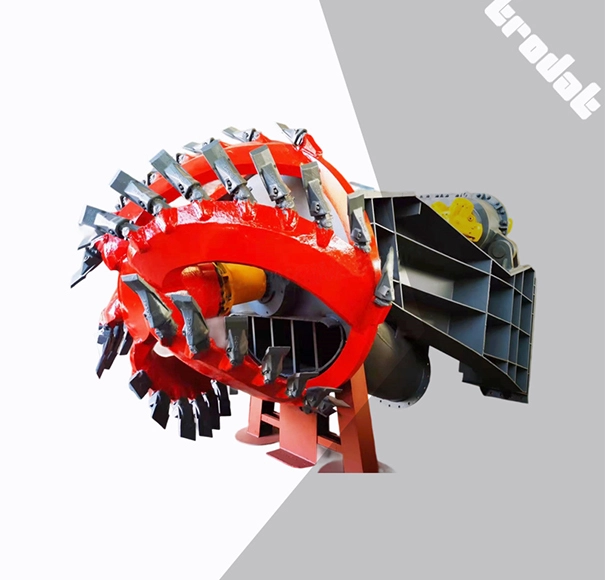
TRODAT (Shandong) Marine Engineering Co., Ltd brings more than 15 years of hands-on experience in marine equipment and dredging operations. Based in Weifang, Shandong, with supporting facilities in Shanghai, Nantong, and other industrial hubs, the company supplies complete dredging solutions. These include cutterheads, dredging devices, hydraulic systems, pumps, and deck machinery for both new builds and existing dredgers.
They work closely with Chinese shipyards and international clients. They offer custom design, model selection, and full after-sales support from installation supervision to operator training. Products follow ISO9001:2015 quality standards, and marine certifications are available as needed. Whether you are fitting out a new cutter suction dredger or maintaining an older one, TRODAT focuses on practical, reliable equipment that matches real field conditions and keeps projects moving.
Conclusion
Choosing the right cutterhead teeth comes down to understanding your soil, your dredger’s capabilities, and how every small design detail adds up to big differences in output and uptime. Pay attention to geometry, material toughness, and how teeth interact with the full cutterhead and driving system. You will avoid the common pitfalls that eat into profits.
The upcoming high-performance series from TRODAT aims to make those choices easier. It delivers better penetration, longer life, and smoother integration across dredging attachments. Smart selection and basic maintenance habits turn teeth from a recurring headache into one of the most effective upgrades you can make.
FAQs
What are cutterhead teeth and why do they matter so much for dredging performance?
Cutterhead teeth are the replaceable cutting elements mounted on the dredger’s rotating head. They do the actual work of breaking up the seabed. The right teeth improve penetration, reduce power draw, and help form good slurry. All of that directly lifts your overall dredging performance and keeps the pump happy.
How do soil conditions affect the choice of cutterhead teeth?
Different soils need different tooth profiles. Hard gravel or rock calls for tough, narrow designs that handle impact. Sticky clay or fine sand benefits from wider, self-sharpening teeth that slice clean and shed material to avoid clogging. Matching teeth to the ground you are in keeps production steady and cuts down on wear.
When should I replace cutterhead teeth to avoid damaging the cutterhead?
Check them regularly and swap before the cutting edge wears down to the adapter. Usually that happens when 60 to 70 percent of the original length remains. Waiting too long lets wear reach the arms or hub, which gets expensive fast. Reading the wear pattern each shift helps you catch problems early.
Can the same cutterhead teeth work across different dredging attachments like bucket wheels or grabs?
Basic principles carry over, but each attachment has its own demands. Cutterheads on suction dredgers need good mixture formation. Bucket wheels or grabs may prioritize breakout force or scooping efficiency. Always verify compatibility with your specific dredging device and cutter driving setup for best results.
How does TRODAT support customers selecting and maintaining cutterhead teeth?
TRODAT offers technical consultation, custom matching for your dredger, and on-site support during installation and startup. Their team can guide you on tooth selection based on project soil data and provide ongoing service to keep your equipment running strong.

Post Comment