



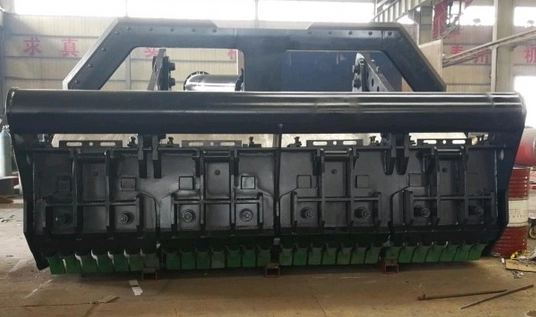
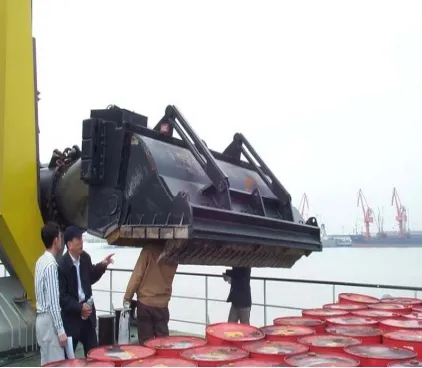
The drag head is an essential component of trailing suction hopper dredgers (TSHDs). It acts as the main link between the vessel and the seabed during port dredging tasks. Its chief job is to break up, gather, and move seabed materials. This helps keep navigable channel depth steady. In turn, it ensures safe travel for ships in ports and waterways. The success of this work affects port access, upkeep expenses, and general maritime transport directly.
Core Function of a Drag Head
The drag head’s basic task centers on slicing and breaking sediment layers on the seabed surface. It works under strong hydraulic force. Here, its sharp edges cut through packed soil or sand. At the same time, suction pipes pull the loose material into the dredger’s hopper. This combined effort provides effective sediment removal. It does so without wasting too much energy.
Handling suction output and dredging accuracy is another key part of drag head work. Operators can change suction strength, flow speeds, and drag head positions. They do this to get steady material pickup in different seabed settings. The water-flow design of today’s drag heads cuts down water drag and power waste during use. This setup allows easier movement through suction paths. It also keeps balance in rough underwater spots.
Key Components and Their Functions
Every part of the drag head adds to its working output:
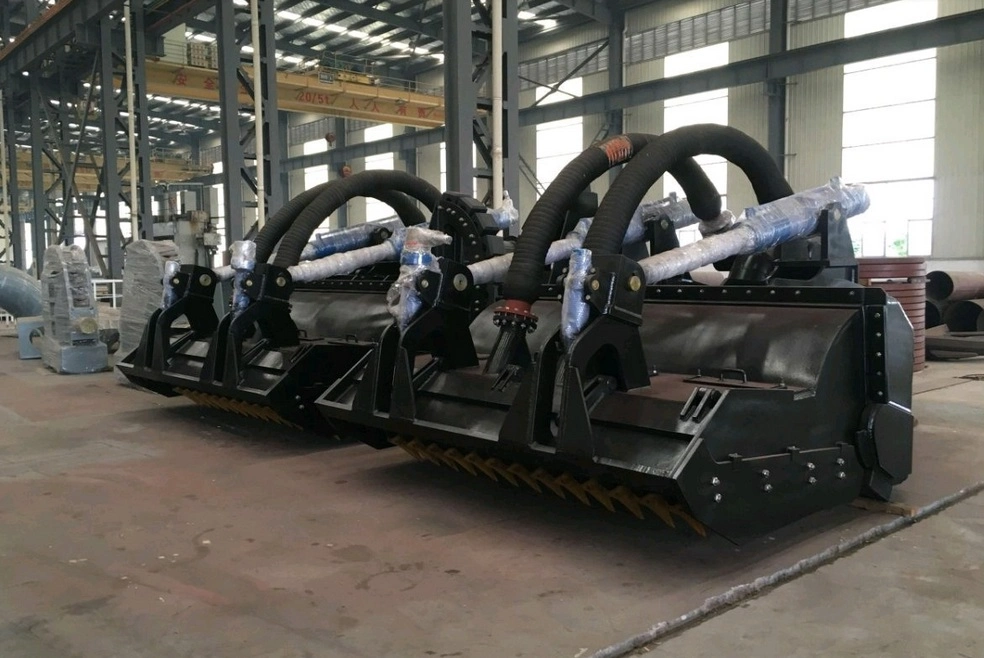
- Suction mouth: This part manages how fast material goes into the system. It keeps flow steady and stops quick pressure falls that might break suction flow.
- Water jets: These jets, placed in smart spots, shoot high-pressure water to soften packed sediments like clay or silt. This makes suction smoother and cuts down on machine wear.
- Visor and drag arm: These movable pieces handle dredging depth and angle. By shifting their spot compared to the seabed, operators can adjust sediment removal for the best results in various setups.
How Does Drag Head Design Influence Dredging Efficiency?
Ports have different settings, from sandy river mouths to rocky docks. These places need flexible dredging fixes. The build of a drag head greatly shapes how well it works in such mixed spots. It does this by improving water flow, toughness, and material movement traits.
Hydrodynamic Optimization for Better Flow Control
A smartly planned water-flow shape lowers rough water around the suction mouth. Smooth outlines let water and sediment slide in without trouble. This cuts energy waste from swirls or backward flow. Movable visors boost flexibility further. They change intake shape based on seabed shapes. Flow paths include clog-proof traits. These stop blockages in heavy sediment jobs. Such features are vital for smooth dredging runs in ports with thick silt buildup.
Material Selection and Durability Considerations
Toughness matters a lot for ongoing work. Strong steel mixes often form the main parts. They stand up to rust and scraping from sand or gravel bits. Swap-out wear plates lengthen use time. They allow fast fixes without swapping whole parts. Guard coatings boost defense against sea water rust and growth of sea life. This keeps drag heads working well even after long time in tough sea spots.
What Techniques Ensure Consistent Channel Depth During Port Dredging?
Keeping even channel depth is crucial for safe ship paths in active ports. To reach this evenness, dredgers mix top monitoring tools with exact control steps.
Real-Time Monitoring Systems in Modern Dredgers
Today’s TSHDs use sound wave mapping tech to make clear seabed maps before and after dredging. This live info lets operators check advance and spot spots needing more effort. GPS path guiding makes sure the drag head sticks to set routes along the channel line with little side drift. Plus, data review tools look at sediment makeup input. They let auto changes to suction speeds based on current material thickness checks.
Operational Adjustments for Variable Seabed Conditions
Seabeds change quickly over short spans. They go from soft mud to firm gravel beds. This calls for flexible work plans. Changing suction power avoids digging too deep in soft areas. It also makes sure good entry in thick spots. Tilting the drag head angle aids in handling bumpy or slanted seabeds well. Regular tuning with sensor input keeps depth steady over many dredging rounds. Thus, it holds navigable channel depth in line with rules.
How Do Maintenance Practices Affect Drag Head Performance?
Upkeep habits shape equipment trust and dredging standard right away. Steady check routines stop surprise breakdowns that might pause work or harm channel exactness.
Routine Inspection Procedures
Every day, simple eye checks find early wear on cutting parts or jet openings before big problems grow. Pressure gauges watch inner flow block in suction tubes. Any odd numbers point to possible jams or leaks needing quick fix. Usual cleaning clears leftover sediments. These might lower suction power or shift flow ways in later runs.
Repair and Replacement Strategies
Planned swap of high-use parts like cutting tips or wear plates cuts stop-time risks from surprise fixes. Joining methods fix structure strength when splits form after long heavy use. Upkeep records noting fix past help plan ahead upkeep via pattern review. This aids operators in guessing breakdowns before they hit.
Why Is TRODAT (Shandong) Marine Engineering Co., Ltd a Trusted Drag Head Supplier?
TRODAT (Shandong) Marine Engineering Co., Ltd stands out as a top maker focused on sea engineering gear around the world. This includes strong drag heads built for high-output port dredging uses.
TRODAT’s Expertise in Marine Equipment Manufacturing
Over many years, TRODAT has served global ports and ship areas. It offers custom fixes matched to certain sediment kinds and ship sizes. Each drag head gets exact building backed by strict quality checks. These ensure steady work in hard sea setups. Their builds blend top water-flow ideas with solid machine make. As a result, they give better output in big dredging plans.
Commitment to Innovation and Client Support
TRODAT keeps putting money into study and growth to boost water-flow output, scrape resistance, and auto features in their goods. Special tech help groups aid customers over all project steps. This goes from idea planning to setup. They make sure easy fit into current dredger setups. The firm’s solid past shows steady supply of lasting gear. It meets world rules for output, safety, and eco fit.
What Are the Key Takeaways on Maintaining Channel Depth Through Effective Dredging?
Holding navigable channel depth relies on teamwork between smart build design, able handling, ongoing watch, and strict upkeep. All this focuses on solid drag head output.
Essential Insights for Port Dredging Professionals
Exact grip on dredging settings promises even channel shapes that back safe ship travel all year. Steady upkeep saves machine trust while dropping full-life costs tied to surprise fixes or swaps. Teaming with solid suppliers like TRODAT lifts project results. It gives reach to tech-advanced gear made for lasting in tricky port setups.
FAQs
1. How often should a drag head be inspected during continuous dredging operations?
Routine inspections should occur daily during active operations, with detailed checks every 200 operational hours to detect early signs of wear or clogging.
2. What factors determine the choice between different drag head designs?
Selection depends on sediment type, water depth, vessel power capacity, and required dredge volume per cycle.
3. Can modern drag heads adapt automatically to seabed variations?
Yes, many advanced systems integrate sensors that adjust visor angles, suction pressure, and jet flow rates automatically based on real-time seabed feedback data.

Post Comment