icon

ما تأمین‌کننده حرفه‌ای چینی تجهیزات لایروبی از برندهای معروف چینی یا برندهای بین‌المللی در صورت نیاز هستیم. ما قطعات لایروبی را متناسب با لایروب‌های جدیدی که در کارخانه کشتی‌سازی محلی شما ساخته می‌شوند، طراحی و ارائه می‌دهیم تا با لایروب‌های طراحی و ارائه شده توسط ما مطابقت داشته باشند و همچنین برای تعمیر و نگهداری لایروب‌های قدیمی نیز کاربرد داریم.

+86-0536-2222696

NO.1070، خیابان Minsheng، Kuiwen District، Weifang، شاندونگ، چین.

How to Select the Right Marine wire rope for Different Vessel Types

طناب سیم دریایی is used in a variety of vessel operations such as mooring, towing, lifting, anchoring, dredging and offshore support. There are many different variables to consider when selecting the proper wire rope for the job, including the type of vessel that it will be used on, the environment in which it will be used, the amount of load that it will encounter and relevant compliancy issues. A wire rope suitable for use on a cargo vessel will not be suitable for a fishing boat, offshore support vessel or luxury yacht due to the vastly different operational demands placed on them, and the vastly different environmental conditions in which they are used.

As the marine industry moves to focus on safety, improved efficiency and reduced life cost, quality wire rope that is to last has become an important factor for ship owners and marine engineers alike. Some of the key factors that affect the reliability of a wire rope’s long term operation are corrosion resistance, fatigue life, tensile strength, flexibility and maintenance requirements.

Selecting the right marine wire rope for different types of vessels is explained in this guide. The guide will assist ship owners and operators, fleet managers as well as purchasing staff to choose the correct wire rope for their specific needs in daily practice.
How to Select the Right Marine wire rope for Different Vessel Types

What Factors Influence the Selection of Marine Wire Rope?

Choosing the correct Marine Wire Rope for your vessels requires good knowledge of the working conditions of your vessels, the environmental conditions it will be exposed to, and the performance required from the wire rope. It is crucial to choose a correct wire rope to safe, durable and to comply with the relevant maritime standards.

Material Composition and Corrosion Resistance

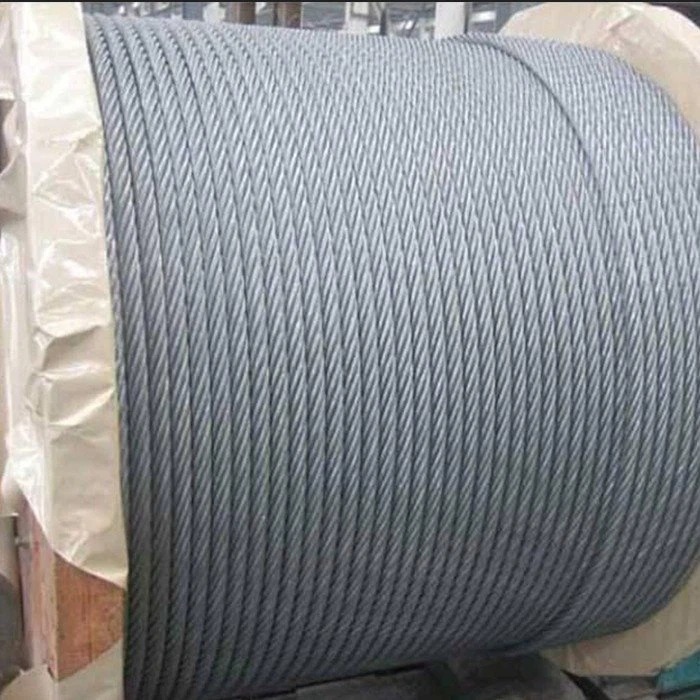
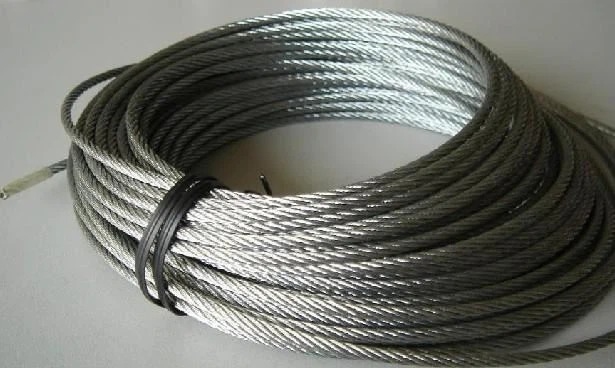
A variety of environments exist within the Marine Industry and Wire Ropes are often exposed to Saltwater, Humidity and ongoing Mechanical Stress. Within these environments the two most common materials used are Stainless Steel and Galvanized Steel. Stainless Steel has been found to offer excellent resistance to corrosion from Seawater, enabling offshore vessels to operate in harsh conditions. Galvanized Steel is a cost effective alternative by coating the steel with a layer of Zinc to hinder the onset of Rust. The Linear Contact steel Wire Rope offers a Large Rupture Force and an extended Fatigue Life, whilst also possessing excellent Corrosion Resistance making it suitable for the toughest environments and applications. Corrosion Resistance is a key factor in the Working Life of any material, therefore choosing the correct material for the application will ensure minimal required maintenance and associated downtime.

Load Capacity and Safety Margins

Marine operations such as mooring or towing need to be conducted with specific load capacities. In the course of designing such operations, the engineer must determine a safe load bearing capacity. This load bearing capacity is usually based on international maritime standards such as the ISO 2408 or ABS certification. Overloading in turn reduces the fatigue life of a part and can even cause a failure. Thus it is very important to determine the correct load in high-tension operations, for example with a crane hoist or with anchor handling.

Flexibility and Fatigue Resistance

When performing dynamic marine operations, it is essential that a rope is as flexible as possible and can absorb a lot of bending action. Fatigue resistance is vital in marine conditions as most moorings and marine structures go through cyclic loading, whether it be through constant winching or lifting between two points. The way that a rope bends is affected by its construction. A line contact wire rope is constructed by twisting multiple wires into a rope. The wires in the rope are in contact with each other in a linear fashion, which increases the contact area between the wires and improves the rope’s strength and durability. This is especially important for fatigue resistance, but does not have to affect the rope’s tensile strength.
 

How to Select the Right Marine wire rope

How Does Vessel Type Affect Wire Rope Selection?

The various types of vessels require marine wire ropes to perform different tasks within different environments using different mechanical parts.

Cargo Vessels and Bulk Carriers

Heavy duty ropes are required for the mooring, towing and cargo handling of cargo ships. In order to be used on deck they require high tensile strength as well as abrasion resistance for the constant use of deck machinery. In the outdoor environment of a deck galvanized wire ropes are preferred as they can be used for long periods of time without the need for replacement.

Fishing Vessels

As fishing operations are carried out in the sea, it is exposed to seawater for long periods of time. This is where stainless steel ropes have an advantage in terms of corrosion resistance. A lightweight yet strong rope enables efficient trawling while minimizing net drag. In addition, a smooth surface finish prevents damage to other fishing gear while being retrieved.

Passenger Ships and Yachts

While providing safety on yachts and passenger ships, aesthetic characteristics of wire ropes can be supported by synthetic coatings. Thus, wire ropes with synthetic coatings have smooth surface which enable good handling and which reduce vibration during berthing. Furthermore, synthetic coatings support design of boats by not decreasing tensile force of wire ropes.

Offshore Support Vessels (OSV) and Tugboats

Offshore support vessels are exposed to huge dynamic loads while towing or lifting. In order to prevent these vessels from twisting while under such load an anti-twist construction is applied. The huge number of tensioning cycles that this type of vessels are exposed to, demands a correct choice of the intervals for inspections of the hull’s structures.

What Are the Key Technical Specifications to Evaluate?

Choosing the correct marine wire rope to use extends beyond choosing the correct material, and actually requires matching the specifications of the wire rope to the appropriate applications or systems.

Diameter and Construction Type

Diameter of rope must match size of grooves of winch or pulleys to prevent slipping or uneven distribution of force. The type of rope construction also allows for flexibility, i.e. 6*19+IWR/IWS (steel core steel wire rope) is balanced for use in hoisting cranes in marine environments such as on deck, in harbors and offshore.

Coating and Lubrication Requirements

The zinc coating on our 7×7 strands increases corrosion protection in saline atmospheres. Also the internal lubrication between the individual strands increases the service life of the wire ropes under heavy duty and long running applications. It also prevents excessive heat build up.

Compliance with Marine Standards

Maritime certification of ropes are usually approved by classification societies as e.g. ISO 2408 and then also approved by other maritime parties such as ABS, DNV, Lloyd’s Register, BV or CCS. In this way it is possible to control quality on all the different types of applications in all the different maritime areas. Approved ropes are tested according to very strict test programs and are therefore suitable for offshore applications where human lives are at risk.

How Can Maintenance Practices Extend Rope Lifespan?

Marine maintenance strategies have evolved significantly and are now known to enhance vessel durability greatly and to reduce total cost of ownership for marine operators.

Inspection Frequency and Methods

Early signs of strand deformation or corrosion pits can be identified during regular inspections prior to cable failure. Magnetic flux testing, as an non-destructive test method, enables a non-destructive internal examination of the core of lift hooks, winch wires etc. in safety-related applications such as lifting and towing.

Cleaning and Lubrication Procedures

After each voyage wash off salt-deposits with fresh water and re-lubricate exposed parts to prevent oxide formation. Periodically reapply lubrication to ensure smooth running of strands under load.

Storage Conditions Onboard Vessel or Dockside Facility

Ropes should be stored in dry ventilated spaces shielded from direct sunlight or chemical vapors that accelerate degradation. Coiled storage configurations reduce kinking stress when not deployed at sea.

چرا شرکت مهندسی دریایی TRODAT (شاندونگ) را انتخاب کنیم؟

شرکت مهندسی دریایی ترودات (شاندونگ) is a reliable supplier of custom-made solutions for global fleets operating in different environmental conditions. TRODAT is a Chinese professional supplier of dredging equipment of Chinese famous brands or international brands as required. With years of experience, we specialize in the integration of design for new dredgers and the maintenance of existing dredgers worldwide. Our company has substantial technology, strict management system, sophisticated sales philosophy, highly qualified human resources of technique and sales, and a range of advanced equipment of manufacture, inspection and testing. Our marine wire ropes are corrosion-resistant stainless steel ropes, galvanized steel ropes for heavy-duty work, and fully certified wire ropes for various marine applications meeting the requirements of ABS, DNV, BV, and CCS, which can be used on offshore support vessels for oil and gas operations, and other marine applications such as cargo handling systems.

What Are the Final Considerations When Selecting Marine Wire Rope?

Choosing the correct marine wire rope is a balance between mechanical properties and environmental durability and must also be compatible with other on board systems.

Integration with Vessel Systems and Equipment Compatibility

Deck machinery components such as winches or cranes need to be compatible with the rope diameter to ensure safe operation. Correct sizing will help prevent uneven wear or stress on the load which could result in a failure during hoisting on offshore platforms or in a port.

Lifecycle Cost Evaluation

Compare initial cost with the life span of the product under operational load. High quality certified ropes like these provide protection against risk of down time due to frequent change outs. They provide long term cost savings by being very reliable.

FAQs about Selecting Marine Wire Rope

1. What is the difference between stainless steel and galvanized marine wire rope?

Stainless steel provides superior corrosion resistance suitable for saltwater environments whereas galvanized versions use zinc coating for general-purpose applications at lower cost levels.

2. How often should marine wire rope be replaced?

Typical replacement intervals for components are based on the military’s definition of operational intensity and are generally a few years for normal military usage. The point at which wear is deemed to be too great would typically be indicated by inspection results.

3. Can synthetic-coated wire ropes replace traditional steel ones on yachts?

Yes. The new synthetic-coated alternatives have improved aesthetics and grip comfort. The parts however still have to meet the design load requirements of the vessel’s specifications.

4. Which standards certify high-quality marine wire ropes?

Certifications for plastic pipes and fittings such as ISO 2408 as well as those from recognized Classification Societies like ABS (American Bureau of Shipping), DNV (Det Norske Veritas), Lloyd’s Register, BV (Bureau Veritas) and CCS (China Classification Society) are recognized.

5.What maintenance step is most effective in preventing corrosion?

A number of factors contribute to the extended service life of ropes and their associated hardware components. For example, regular washing of exposed metal work with fresh water, followed by relubrication, effectively combats the corrosion that can occur as a result of residual salt deposits.

By matching the technical characteristics of the label printers with the specific features of the vessels, and selecting reliable suppliers such as TRODAT, marine engineers can guarantee optimal use of their products in all types of marine environments. The key to this is to guarantee reliability.

اشتراک‌گذاری در شبکه‌های اجتماعی

پست مرتبط

Marine Anchor Types Explained Which Anchor Is Best for Dredgers, Barges, and Workboats
۲۴ مارس ۲۰۲۴

Marine Anchor Types Explained Which Anchor Is Best for Dredgers, Barges, and Workboats

When choosing a marine anchor for your vessel, there are many factors to take into account. First and foremost, the anchor must ensure the safety of the crew and vessel. In addition to safety, the anchor should also enable efficient use of the vessel and ensure that all equipment is used for long periods of time without any problems. There are many different types of vessels that are used for all sorts of activities, such as dredging, towing and salvage, fishing, and workboats. They are used in all kinds of situations, from calm inland waters to harsh offshore environments with strong currents and hard sea floors. One anchor therefore is not enough for all situations.

A number of parameters can affect the behavior of an anchor. These include the size of the vessel, the holding power required, the nature of the seabed, the water depth and the frequency of use. The wrong choice of anchor can result in an anchor that fails to hold i.e. ‘drags’, excessive wear on the anchor, chain and pulled out etc. Also increased time to deploy and retrieve and higher maintenance costs. Dredgers need to hold position accurately, construction barges need an anchor that can pull up a large amount of cable during lifting operations and coastal workboats need an anchor that will hold reliably. All of these applications require the correct type of anchor and its characteristics to be understood.

This guide explains the major marine anchor designs—including Hall Anchors, High Holding Power (HHP) Anchors, and Engineering Anchors—and explores how seabed conditions, vessel types, and anchor sizing affect overall performance. By understanding these key selection principles, shipowners, marine contractors, and procurement professionals can choose anchoring solutions that maximize safety, efficiency, and long-term value for their operations.


Marine Anchor Types Explained Which Anchor Is Best for Dredgers, Barges, and Workboats

What Are the Main Types of Marine Anchors?

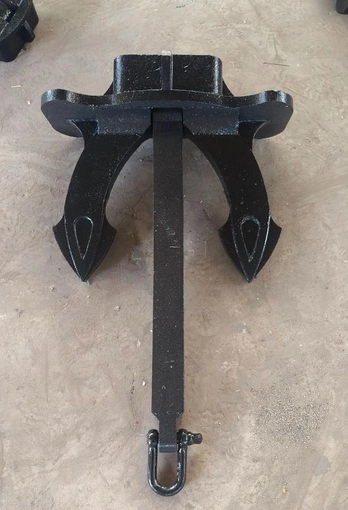
There are several types of marine anchors which are used for different kinds of vessels and for different purposes. Commonly used types of anchors for modern vessels are Hall Anchors, High Holding Power (HHP) Anchors and Engineering Anchors. Most commonly used Anchor for modern merchant ships is Hall Anchor. Anchor’s claw can be rotated and is convenient for different kind of bottom. High Holding Power Anchor has big holding area and is used for big kind of vessels and complicated sea conditions. Engineering Anchor is used for prestressing tendon tensioning. There are two main categories of anchors, i.e. Fixed-end anchors and Fluke-end anchors. Fixed-end anchors such as P-anchor are embedding in the concrete and there is no tensioning is required for such type of anchors.

Hall Anchor

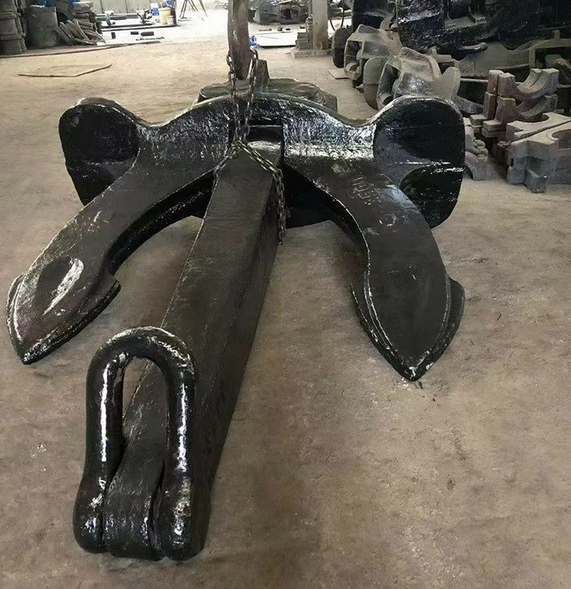
The Hall anchor is perhaps one of the most widely used stockless anchor in commercial shipping today. The flukes allow for the best rotation to suit the type of seabed, in addition to providing the most holding for the ship. This simple design also makes for ease of deployment and retrieval, especially for boats such as cargo ships, barges and port service boats that anchor frequently. Because of its compatibility with standard anchor lockers, the Hall is one of the most widely used anchor for general marine use.

High Holding Power (HHP) Anchor

The HHP anchor holds better than any other type of anchor while keeping the weight down. The special geometry of the anchor lets it penetrate deep into soft clay or sand soil and thanks to the resulting high suction force, the highest possible holding force is achieved quickly. Offshore support vessels, dredgers, tugboats and platforms floating on the water can all rely on the higher safety reserves of the HHP anchor. The low weight of the anchor also means less strain on the deck equipment when handling the anchor. The holding force does not have to be compromised in order to keep the weight down.

Engineering Anchor

Engineering anchors are designed for specialized marine construction work, in which greater holding power than that offered by standard type anchors is required. A number of models have been designed to resist pull-out in hard clay as well as in mixed soils and other types of soil. Engineering type anchors can be supplied in a variety of configurations to meet individual user’s needs. A number of models are being used in cutter suction dredgers, in the foundation of bridges, in offshore constructions as well as in heavy moorings that require precise positioning for long periods of time.


Marine Anchor Types Explained Which Anchor Is Best

How Do Seabed Conditions Affect Anchor Selection?

The seabed composition affects the performance of the anchor and how well it penetrates into the seabed and holds under load. Understanding these interactions allow for selection of the correct type of anchor for the working environment.

Sandy Seabeds

Sandy seabed provides sufficient grip and holding for fluke-type anchors to enter into penetration and hold sufficient amount of holding power due to surface area of fluke. Stockless designs such as Hall anchors are also suitable to perform well when proper design, size and set angle is maintained.

Muddy or Clay Seabeds

In softer soils such as mud or clay, high-fluke-area designs like Danforth or drag embedment anchors achieve better suction resistance by creating a larger contact area with the substrate. Stocked anchors may be advantageous when additional grip is required at shallow depths.

Rocky or Gravelly Seabeds

Rocky surfaces can present their own challenges as they don’t penetrate easily. However, Grapnel-style or high-tensile stockless anchors are designed to penetrate irregular surfaces to hook onto edges and projections. Good placement is key to stop the anchor from slipping as load is shifted due to currents and wind.

Which Anchor Types Are Most Suitable for Dredgers?

Dredgers are used in marine environments where high accuracy in positioning the dredger while carrying out excavation work is required. The dredger’s anchoring system needs to have sufficient strength to hold against the constant lateral forces caused by the dredging equipment and must be able to be repositioned quickly to other work areas.

Key Considerations for Dredger Anchoring Systems

Dredger anchors are designed to hold against lateral loads generated by the cutter head or suction pipe. The ease with which the anchor can be recovered is as important as the holding performance since dredgers frequently move between locations within a restricted working area.

Fluke anchors in soft sediment environments close to dredging operations offer a high holding power to weight ratio. Drag type anchors with deep embedment in to cohesive soils such as clay, in river mouths and harbor basins provide long term station keeping. We design and supply dredging spares to be used on new build dredgers based in local shipyards, to match dredgers we design and supply, as well as to repair and maintain older dredging units. TRODAT special dredger anchors offer durability and are optimized for shape to meet the demands of regular use in dredging projects.

What Anchors Work Best for Barges?

Anchoring systems are critical to support barges in place during cargo operations or construction support. The barges’ anchoring requirements can vary greatly between different types of operating schedules and environmental exposure.

Operational Factors Influencing Barge Anchors

The most frequently moved anchor type is the strong yet lightweight type that can be easily carried from job site to job site. The loads are distributed over multiple holding points, thus preventing yawing which can occur with large, flat-bottomed hulls in wind or current when not perfectly aligned with the force.

Stockless anchors remain very popular with barge operators as they give good holding in a variety of seabeds and are very easy to deploy from the deck using a windlass. For the very heavy duty application where there are strong currents or a high windage area then an HHP design will give extra safety margins without excessive weight.

What Anchor Designs Are Preferred for Workboats?

Workboats operate in near coastal environments that demand maneuverability above other considerations. The need for anchoring and the associated ground tackle storage on a workboat is generally quite different from that required for large vessels given the restricted storage and short mission durations.

Important Criteria for Workboat Anchors

Small workboats have limited deck space. Quick setting time is important for short term work such as surveys or assistance to other units working near offshore platforms.

We stock a range of anchors, ideal for use in soft coastal sediments found in ports and estuaries. Our Fluke anchors are designed to be light weight yet have excellent holding power, making them ideal for repeated use throughout the day.

How Does Anchor Size Influence Performance?

The size of an anchor has a significant effect on the overall holding force of an anchor. However, the size of an anchor to use must relate to the displacement of the vessel and the conditions in which the anchor is to be used.

Factors Determining Proper Anchor Sizing

Some key parameters to consider are the vessel’s tonnage, the projected windage area of the vessel and the additional drag this will impose, the maximum expected current velocity at the location where you will be operating, and the scope ratio which is the ratio of the length of chain required to the water depth. This latter parameter gives an indication of how efficiently the anchor will be able to resist load to prevent the vessel from moving.

Practical Considerations

Large units of gear that are difficult to handle on shore or on barge, without corresponding increase in performance, are not cost effective. Small units of gear may drag under heavy load such as during a storm or extreme tidal change. A professional engineering analysis is required to properly size the anchor to the vessel’s actual specifications.

چرا شرکت مهندسی دریایی TRODAT (شاندونگ) را انتخاب کنیم؟

شرکت مهندسی دریایی ترودات (شاندونگ), a renowned China manufacturer specialized in designing and manufacturing high quality marine anchoring devices, dredging accessories for dredgers, barges, workboats, ship equipment and so on, supplied worldwide. Professional marine anchors of TRODAT Marine Engineering are approved by relevant certification bodies and comply with International Marine Anchors Standards for good holding power on sea bed. Moreover, the experienced engineers from TRODAT not only manufacture best quality anchor, also design and supply best matching anchor outfitting equipment including winches, marine chains, bollards and mooring accessories for safe berthing of offshore support vessels.

With our Quality Control Policy in place, customers can be assured that the products supplied for new build projects, whether locally manufactured or imported for specific project requirements, and for replacement parts during maintenance projects worldwide, will function as required.

Conclusion: Selecting the Right Marine Anchor System

Choosing the right anchor for a marine application involves matching a number of different factors related to the vessel that will be using it, the work it will be doing, the seabed it will be dropped onto and the various loads to which it will be subjected. This can then be compared with the specifications of anchors offered by manufacturers such as TRODAT (Shandong) Marine Engineering Co., Ltd. People responsible for managing a fleet of vessels engaged in dredging or other offshore operations as part of a logistics operation will want to ensure that the chosen mooring gear is not only safe but also efficient and will have a long working life. It is therefore necessary to choose an anchor on the basis of proven technology and good engineering practice.

سوالات متداول

1. How often should marine anchors be inspected?

The pre deployment inspection and the post deployment retrieval inspection in harsh environments of marine anchors is to check for any sign of deformation such as bent flukes or any corrosion wear that could affect the anchor’s structural reliability.

2. Can one anchor type serve multiple vessel categories?

Stockless shackles are commonly used in various vessel types including barges and workboats. The most efficient model is one where the anchor design suits the operating profile for the specific application, taking into account the soil type and expected loading.

3. What certifications should professional-grade marine anchors have?

High-performance marine anchors should meet the classification notations of the ABS (American Bureau of Shipping), LR (Lloyd’s Register), DNV (Det Norske Veritas), BV (Bureau Veritas) or CCS (China Classification Society) and, importantly, be able to meet the test requirements of the relevant classification society’s rules to verify the design’s structural strength through rigorous physical testing, recognized worldwide within the international maritime community.

The differences between different types of bucket teeth for dredger
۲۴ مارس ۲۰۲۴

The differences between different types of bucket teeth for dredger

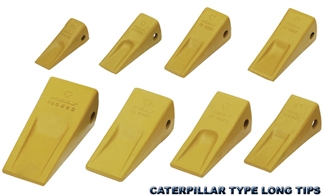
Different types of dredger bucket teeth: standard, rock, chisel. Material, design, and wear resistance for efficient dredging operations.

ارسال نظر