



Choosing the correct pipeline for different sea situations demands a structured knowledge of environmental, operational, and structural effects. Every ocean setting creates specific water movement and soil-related problems. These issues directly influence pipeline steadiness, material wholeness, and extended operation. Engineers have to combine evaluations from multiple fields. This approach guarantees both security and cost savings.
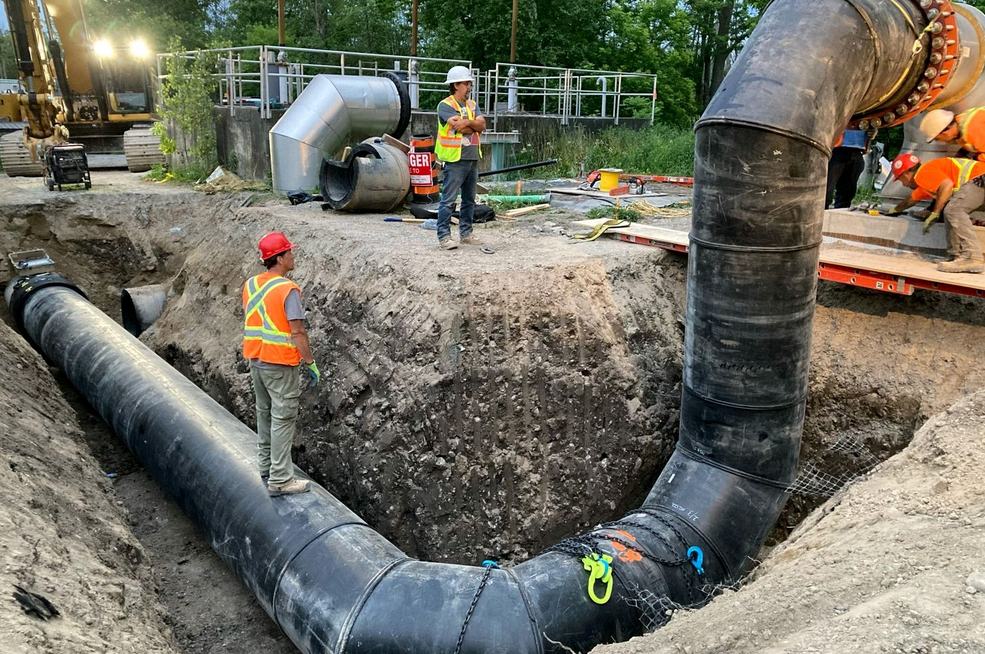
Key Environmental Influences on Pipeline Design
Nature’s forces act as main guides in pipeline picking. Wave size, current speed, and tide span control the water loads applied to underwater pipelines. In spots with much energy, these elements can start shakes or swirl-caused vibrations. Such actions weaken the structure’s firmness. Soil movement and ocean floor shifts add extra difficulty to planning. For example, moving sands or muds can cause pipeline parts to become visible or hidden as time goes on. This visibility not only raises the risk of physical harm but also changes heat transfer features.
Heat variations across water depth levels affect choices for materials and padding needs. Pipelines working in cool water areas might need more heat padding. This helps stop hydrate buildup or wax buildup in hydrocarbon lines. In contrast, in milder waters, managing heat growth becomes an important point. It prevents twisting or tiredness.
These environmental factors shape the entire design process. Engineers consider them early to avoid future issues. By doing so, they create pipelines that last longer in tough conditions.
Operational Considerations in Pipeline Selection
Work details determine how well a pipeline functions in actual use. Pressure levels need to fit the carried fluid’s weight and thickness. This avoids too much strain on pipe walls or joints. Easy reach for upkeep is yet another vital element. This is particularly true for sea-based systems. There, fix costs are steep. The option to perform non-destructive testing (NDT) or distant checks greatly improves trustworthiness.
Placement depth and path improvement serve key parts in reducing danger exposure. Specialists use up-to-date sea floor mapping. They do this to find solid ocean bottom routes. These routes skip earth risks like hills or crack lines. Such thoughts make sure pipelines hold their structure wholeness during their full life span. Even with changing sea states, this holds true.
Operational planning also involves looking at daily demands. For instance, flow rates and fluid types play a role. Ignoring these can lead to early wear. Thus, careful matching ensures smooth performance over years.
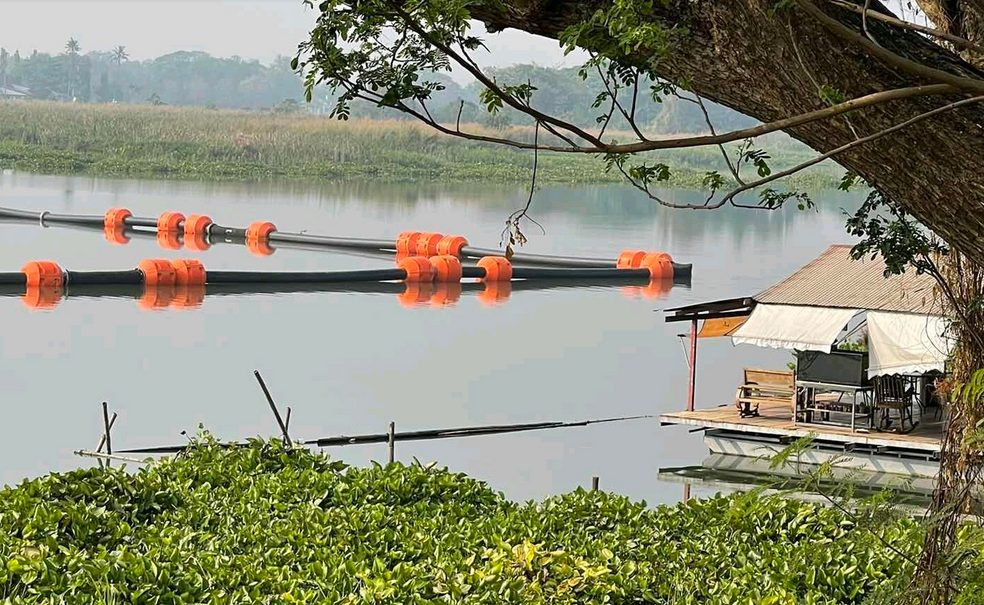
How Do Shallow Water Conditions Affect Pipeline Choice?
Pipelines set in low-depth waters deal with special nature pressures. These arise from closeness to surface tasks and changing water load forces. Strong wave-caused powers can bring side shifts or raising. At the same time, anchors from boats or fishing tools create physical harm risks. As a result, bendability, scratch resistance, and guard actions against hits take priority in planning.
Shallow areas often see more human activity. This adds layers of complexity to design choices. Engineers must balance these factors carefully to protect the infrastructure.
Common Pipeline Types for Shallow Waters
Bendable pipelines get common use. Their many-layer build lets them take moving loads without structure breakdown. Strengthened plastic layers offer stretch. They do this while keeping inside pressure hold. Concrete-covered steel pipes give extra steadiness. They counter floating forces with added mass. This suits them well for places with powerful currents or low depths.
Mixed pipelines blend light build with strong rust resistance. This helps in changing salt settings, like river inlets or shore change areas. Their non-metal makeup blocks electric-chemical breakdown. Plus, it keeps physical power similar to steel choices.
These types suit shallow needs because they handle daily stresses better. Over time, they prove reliable in busy coastal zones.
Protective Measures for Shallow-Water Pipelines
To protect from outside disruption, digging or covering methods see frequent use. By placing pipelines under ocean floor depth, visibility to anchors and drag gear lessens. Stone placing and concrete pads offer more firming. This works where complete covering is not feasible. Reasons include hard ocean floor or nature limits.
Rust-prevent coatings, like fusion-bonded epoxy (FBE) layers, serve as chief blocks against sea water contact. When linked with cathodic protection systems, they notably lengthen service duration. This applies even in ongoing soak states common in low-depth sea areas.
Such measures not only extend life but also cut repair needs. In shallow waters, where access is easier, regular checks become part of routine care.
What Pipelines Are Suitable for Deep-Sea Environments?
Deep ocean tasks require materials and plans that can withstand huge water pressures. These exceed many thousand meters of water height. Cool temperatures near the ice point add further tests to material bend and wear handling.
Deep-sea work pushes limits of engineering. Choices here focus on endurance under isolation and pressure.
Material Choices for Deep-Sea Pipelines
Strong carbon steel stays a basic option. It excels in pressure-hold ability. This shines when combined with inside rust-stop linings like polyethylene or epoxy coatings. Plastic mixed pipes (TCP) have risen in use. They feature light build and stand against rust and wear under repeated loads at large depths.
Duplex stainless steels offer better defense to stress rust cracking. This is a usual concern under mixed pressure and salt exposure in deep-sea spots. Their two-phase tiny structure provides top strength. It also keeps join ability during building.
Selecting these materials involves testing for deep conditions. This ensures they perform without fail in remote locations.
Engineering Techniques for Deep-Sea Installation
Accurate placing happens via remote-operated vehicles (ROVs). These enable precise spot even in low sight conditions. Steady position systems on lay ships keep true lineup during rollout. They manage this despite ocean currents.
Pressure tests after placing confirm structure health before start. Meanwhile, combined watch systems steadily check strain amounts along the pipeline grid. These tools as a group lessen upkeep actions in places where people entry is limited by depth restrictions.
Installation demands high skill. Teams use simulations beforehand to predict challenges. This preparation leads to safer and faster deployments.
How Do Harsh Sea Conditions Influence Pipeline Durability?
Ocean areas marked by storms, powerful currents, or ground shakes show higher dangers of wear failure and moving. Planning for toughness means using bendable setups. These allow motion without harming seal wholeness.
Harsh conditions test every aspect of pipeline life. Resilience becomes the core goal in such environments.
Design Strategies in Harsh Marine Environments
Bendable joints permit managed bend between sections. They soak up curve stresses from ocean floor motion or water forces. Wear-resistant metals like titanium-based mixes get applied in high-tension spots like riser links. Cyclic loading happens often there.
Live monitoring setups with fiber-optic sensors spot strain buildup quickly. This permits forward upkeep before failure strikes. Fact-based review from these sensors backs guess modeling. It betters coming design rounds under matching sea states.
Strategies also include buffer zones. These absorb shocks from events like earthquakes. Overall, they build in layers of protection.
Maintenance Practices Enhancing Longevity in Harsh Seas
Self-guided underwater vehicles (AUVs) run planned checks well over large networks. They avoid people involvement risks. Cathodic protection systems stay vital for lessening electric-chemical rust steps. These speed up in rough oxygen-filled waters.
Ahead upkeep structures blend sensor input into digital twins. These are virtual copies of real items. They predict breakdown paths precisely. Also, they best fix timing around work gaps set by yearly weather cycles.
In harsh seas, maintenance relies on tech. Drones and sensors provide data that guides decisions. This proactive way prevents major issues and extends pipeline life significantly. Operators benefit from fewer downtime periods. Safety improves too, as risks to workers drop.
How Does TRODAT (Shandong) Marine Engineering Co., Ltd. Support Reliable Marine Pipeline Solutions?
TRODAT (Shandong) Marine Engineering Co., Ltd. focuses on the planning, production, and delivery of ocean engineering tools. This includes strong subsea pipelines made for various sea states. The company’s skills include flexible risers, composite pipes, and corrosion-resistant steel lines. These are crafted to fit global standards for sea uses.
TRODAT brings years of experience to the table. Their solutions address real-world challenges in marine projects.
Advantages of Choosing TRODAT as a Pipeline Partner
Solid history in sea oil and gas build projects across the world. Modern production methods that secure accuracy and quality checks. Full tech help from plan advice to after-place aid. These strengths place TRODAT as a vital ally. It delivers custom fixes tuned for exact nature hurdles. This ranges from low shore projects to very deep underwater setups. It assures steadiness in every work stage.
Partnering with TRODAT means access to experts. They offer guidance at every step. From initial ideas to final checks, support remains constant. This leads to projects that meet deadlines and budgets.
Summary of Key Insights on Marine Pipeline Selection
Strong picking of ocean pipelines needs matching material science new developments with nature truths across varied sea states. In low waters, bendability and safety lead plan focuses. At larger depths, power-to-weight balance and rust defense turn essential. In rough seas, fitting via watch-based toughness sets lasting win. By mixing top engineering ways with firm upkeep plans. And by drawing on special skills from companies like TRODAT. Operators reach ongoing work across the wide range of ocean settings.
This summary highlights the need for tailored approaches. Shallow areas demand protection from daily threats. Deep zones require pressure resistance. Harsh spots call for adaptive designs. Together, these insights guide better choices. With partners like TRODAT, success becomes more achievable. Sustainable operations follow, benefiting the industry long-term.
FAQs
What is the main difference between shallow-water and deep-sea pipelines?
Shallow-water pipelines need stronger guard against outside physical harm and water forces. Deep-sea pipelines put strength first against huge pressure and temperature shifts.
How can corrosion be effectively controlled in marine pipelines?
Corrosion handling uses rust-stop coatings, cathodic protection systems, and choosing materials like duplex stainless steels or composite polymers. These fight chemical breakdown.
Why is flexibility important in offshore pipeline design?
Flexibility helps pipelines adjust to ocean floor shifts, heat growth, and moving sea forces. It avoids structure failure or leak dangers during long-term work.

Post Comment