



Choosing the proper drag head for a Trailing Suction Hopper Dredger (TSHD) is a basic step to guarantee dredging productivity, working dependability, and expense savings. The drag head acts as the main link between the seabed and the suction setup. Thus, picking it wisely is vital for reaching the best dredging results. You need to look at site conditions, ship features, material toughness, and upkeep needs during the choice process.
Dredging Environment and Soil Conditions
The dredging site has a major say in setting drag head details. The makeup of the seabed matters a lot. It could be soft mud, firm clay, rough sand, or pebbles. This guides the build of the drag head’s visor, tooth setup, and suction opening shape. For example, rough stuff like coarse sand or gravel calls for tough materials and stronger builds. These hold up against steady hits in dredging work.
Besides soil kind, water flow issues like depth and current speed affect suction work and steadiness. In shallow spots with fast currents, drag heads must keep steady seabed touch. They should avoid too much swirl at the suction opening. On the other hand, deepwater work needs solid build quality. It handles higher water pressure while keeping good sediment pull.
Dredging Capacity and Vessel Specifications
The body traits of the TSHD shape how well the drag head fits. The ship’s hopper size and suction strength set the right drag head size and entry width. A too-big or too-small setup can cause air bubbles or flow problems. These cut down total output. Pairing water power with drag head scale makes sure of even sediment movement. It avoids straining pumps or lines.
Ship handling skills also play a part in drag head setup. Big ships in tight spots gain from changeable visor controls. These let workers fine-tune sediment flow. Water-powered movement systems in new TSHD builds allow on-the-spot changes. They help boost dredging work in shifting seabed spots.
Maintenance and Durability Considerations
Upkeep ease is a key point in picking a drag head for TSHD tasks. Piece-by-piece builds make swapping worn parts simple. Items like teeth, visors, and covers get replaced fast. This cuts idle time in upkeep periods. Rust-proof stuff like duplex stainless steel or high-chromium mixes last longer in salty settings. There, chemical breakdown happens often.
Simple checking is just as vital. Entry spots should let workers check wear signs without taking apart big parts. This way supports planned upkeep plans. They cut surprise halts and keep work going through job spans.
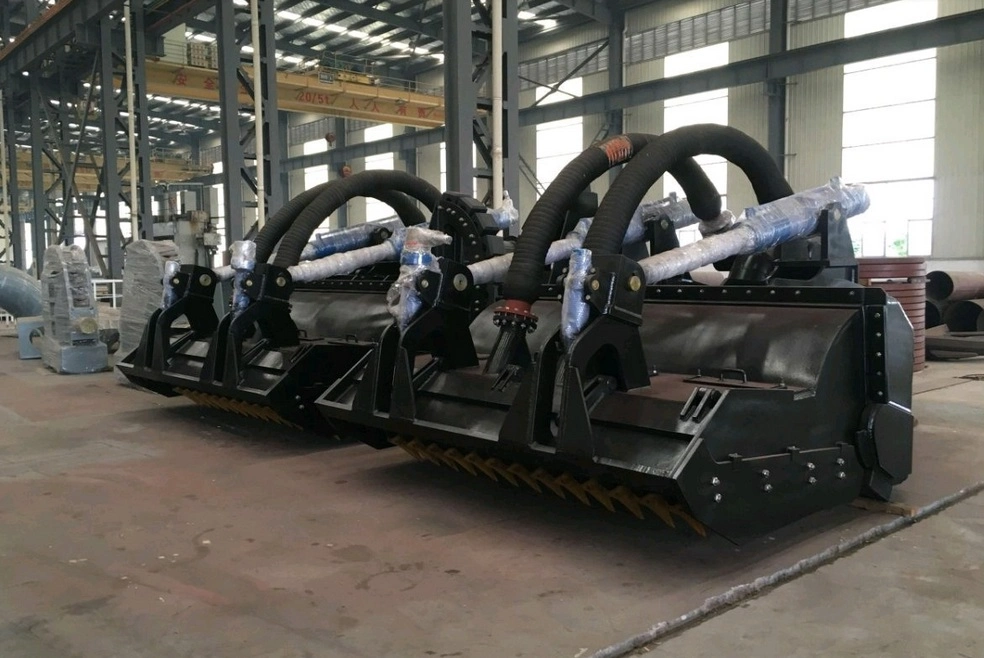
How Does Drag Head Design Influence Dredging Efficiency?
The build traits of a drag head set how well it pulls stuff from the seabed. It also keeps steady suction flow to the hopper system. A smart build mixes water flow results with machine power. This leads to reliable outcomes in different soil kinds.
Hydrodynamic Shape and Flow Optimization
Smooth water flow shapes cut down swirls at the suction opening. They boost sediment grab rates and lower power waste from flow splits. Good flow spread over the drag head’s width makes even material pull. This stops uneven cuts along the dredge track. Changeable visors improve work more. They manage inflow pressure match. This is key when moving from soft mud to thicker bases.
Teeth Arrangement and Cutting Mechanism
The cutting setup shows how well a drag head gets into packed soils. Tooth gaps affect dig depth and pushback in work. Teeth close together work best for sticky clays. Wider gaps fit grainy sands or pebbles. Swap-out tooth setups let quick shifts to varied seabed makes without full part changes.
Smart tooth placement along the visor side boosts cutting work. It spreads loads evenly over touch areas. This lowers shake-caused wear on build parts and water systems.
Suction Pipe Connection and Articulation System
A strong link between suction pipe and drag head is key for keeping water flow steady under ship shifts. Bendy joints handle up-down moves from waves or ship sway. They keep line-up between pipe path and suction entry. Stronger joint spots add build toughness against bend strains in heavy dredging rounds.
Well-lined links not only cut water losses but also help smoother sediment carry. They do this by lowering rub resistance in lines.
Why Is Material Selection Critical in Drag Head Performance?
Material choices shape wear toughness, weight balance, and work length in TSHD drag heads. Picking the right metals or mixes makes sure of ongoing work in rough sea dredging spots.
Wear Resistance in Harsh Conditions
Drag heads face constant rub from sediments with quartz bits or shell bits. So, high-toughness materials are a must. High-chromium steels give better guard against wear loss. They keep the needed strength for hit loads. Duplex stainless steel brings rust guard plus machine power. It fits long stays in seawater.
Tough overlay coats on key areas like cut edges or inside covers guard more against wear harm. They make outer layers that take machine stress before hitting main metal.
Balancing Weight and Structural Strength
Weight balance stays basic for handling ease. This is true on smaller TSHDs. Too much weight can slow quick control in dredging turns. Light metals like aluminum-bronze mixes cut total part weight. They do not lose firmness.
Added support bars in build frames boost load hold under strong suction pulls in thick stuff digs. Even weight spread cuts one-sided wear signs. These could twist flow patterns over long work times.
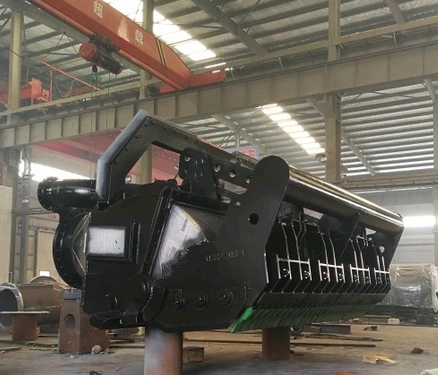
How Can Operational Requirements Influence Drag Head Selection?
Work settings differ a lot in dredging jobs. So, gear picks must match job goals like depth span, output aims, site rule standards, and fuel savings targets.
Project Type and Dredging Depths
Big build jobs like port deepening need high-output pull systems. These use wide-entry drag heads to manage huge sediment amounts well. Upkeep dredging tasks often use smaller setups. They focus on quick moves in narrow ship paths. There, exact removal beats bulk flow.
Deepwater uses add extra issues with water pressure control. So, stronger shells with better seal setups are needed. They stop leaks or bends at deep levels.
Environmental Regulations and Efficiency Goals
New dredging stresses green ways with less site harm. Green drag head builds add parts that cut cloudiness. They control sediment stir near key spots like coral areas or river mouths. Good suction shapes lower power use per cubic meter pulled. This helps cut smoke output from fuel burn.
Sound cut tech in water movement systems also aids rule following. These rules protect sea life from sound shocks in long tasks.
How Does TRODAT (Shandong) Marine Engineering Co., Ltd. Support Reliable Drag Head Solutions?
TRODAT (Shandong) Marine Engineering Co., Ltd. stands out worldwide for its skills in sea gear making. It supplies strong TSHD drag head fixes built for toughness and fit in varied dredging uses. Their build know-how makes sure of match with many TSHD types. At the same time, it keeps high toughness levels through exact making steps and check systems.
Product Range and Customization Capabilities
TRODAT gives both basic designs for everyday use and full custom setups fit to exact soil spots or ship details. It offers standard and customized drag heads suitable for different soil types and vessel sizes. New math model tools get used in build steps. They check water flow acts before making starts. This makes sure each item hits top flow work in real spots. It provides technical consultation to assist clients in selecting optimal configurations for specific projects.
This method lets TRODAT builders adjust settings like visor bend angles or tooth setups to job needs. It raises both output and gear life in worldwide uses.
Commitment to Quality Assurance and After-Sales Service
Quality checks are a core part of TRODAT’s making views. It implements strict inspection protocols across all production stages to ensure reliability. Each unit goes through tough size checks, no-harm tests (NDT), pressure checks of weld spots, and coat looks before send-off. It supplies comprehensive maintenance support including spare parts logistics worldwide.
Besides making skill, it focuses on long ties through steady item new ideas and buyer joy. Their after-sales setup includes world ship aid for spare part chains. It also has far-off tech help plans made to cut idle time over work spans.
Conclusion: Achieving Optimal Dredging Performance Through Informed Drag Head Selection
Picking the right drag head setup means weighing many linked points. These go from water flow build rules to material know-how. It meets job needs well. A smart pick way not only lifts total work but also lengthens use time. It cuts upkeep costs over dredging rounds.
FAQs
What is the primary function of a drag head in a TSHD system?
The drag head serves as the interface between the seabed and the suction system, controlling sediment intake while maintaining efficient flow into the hopper via suction pipes.
How often should a drag head be inspected or replaced?
Inspection frequency depends on operating hours, sediment abrasiveness, and project intensity; typically every few hundred working hours or after each major campaign.
Can TRODAT provide customized designs for specific project requirements?
Yes, TRODAT offers tailored design services based on client specifications such as soil composition, depth range, vessel capacity, or environmental constraints to ensure optimal performance alignment with project goals.

Post Comment