



Running a vessel in tough waters means your power plant has to deliver day after day without letting you down. In hot, humid spots like Southeast Asia rivers or African coastal zones, engines face serious heat buildup and constant moisture. Overheating turns into a daily headache. Filters clog faster than usual. Maintenance crews end up chasing small problems that grow into big delays. Fuel costs climb when efficiency slips. Downtime hits hard when a generator fails right in the middle of a long dredging shift.
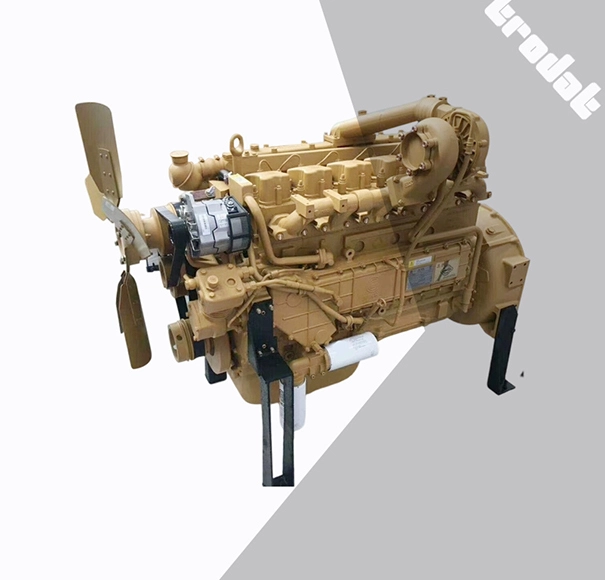
Marine diesel engine and generator set choices make all the difference in these conditions. Pick the right ones and your boat keeps steady power. Operations run smoother. Costs stay under better control. At TRODAT (Shandong) Marine Engineering Co., Ltd., we see these challenges up close on every project. Our focus stays on practical solutions that hold up where it counts most.
Industry Pain Points: Heat, Humidity, and Real-World Headaches
Tropical environments punish marine power systems hard. Daytime temperatures often push past 95°F with humidity sitting near 90 percent. Engines run hotter than they should. Cooling systems struggle to shed all that heat. Salt air and fine dust speed up wear on many components.
Crews on dredging vessels in the Mekong Delta or along West African ports tell the same story again and again. A standard engine might start fine in the morning. But it loses power by afternoon as temperatures spike. Generators shake more under continuous load. That extra shake loosens fittings and wears bearings quicker.
Maintenance intervals shrink fast. Instead of planned service every 500 hours, teams scramble every 300 hours just to keep things going. Fuel consumption jumps 8 to 12 percent when combustion stays dirty. In high-price fuel markets, those extra gallons add up quickly on a 24-hour operation.
One experienced dredge captain in Southeast Asia shared how his old setup needed water additives and extra filters every single week during monsoon season. The constant fiddling cut deep into productive digging time. Reliable marine diesel engine options change that pattern for good. They handle sustained loads without the usual drama.
Core Performance: Fuel Efficiency and Steady Operation
Fuel efficiency matters more than ever with today’s prices. Good marine diesel engine designs focus on precise fuel delivery. Direct injection systems mix air and fuel thoroughly. Combustion happens cleaner and more completely.
Take a look at real numbers from the field. Some TRODAT-supported engines hit fuel rates as low as 185 g/kW·h under full load. Oil consumption stays tight at 0.3 g/kW·h or even better. That means fewer refills and less waste over long hauls. Quadruple-boost setups give quick response when you suddenly need extra power for heavy swings or pump demands. The engine does not bog down easily.
Stability counts just as much for generator sets. Long continuous runs on a dredger or cargo vessel test every single part. Low vibration keeps the whole system calm. Crews notice the difference right away. Less noise fatigue shows up during those long night shifts. Sound levels often stay below 111 dB(A), which feels noticeably quieter in the engine room.
Smooth power delivery protects connected equipment too. Hydraulic pumps and winches last longer when torque stays steady. Fewer spikes mean seals hold better and gearboxes run cooler for longer.
For operators pushing vessels hard, these traits add up to real confidence on the water. You focus on the job instead of constantly babysitting the power plant.
Custom Solutions: Matching Engines to Vessel Types
No two vessels work exactly the same way. A cutter suction dredger needs strong, steady output for the pump and cutter drive. A cargo ship or tug might prioritize compact size and quick maneuvering response instead.
TRODAT helps match marine diesel engine configurations to the actual duty cycle. For dredging vessels working 20-plus hours daily, higher displacement blocks with robust castings give extra safety margin. Vermicular graphite iron in blocks and heads adds real rigidity. Forged steel crankshafts handle heavy loads without flexing much.
Here’s a simple breakdown for common vessel types:
- Cutter suction dredgers: Look for 12-cylinder V-type engines with high output per cylinder, around 135 kW. Strong torque at lower rpm suits pump demands well. Electric or pneumatic start options fit tight engine rooms nicely.
- Cargo ships and barges: Mid-range power units with solid fuel economy for long passages. Compact dimensions help a lot during retrofits on older hulls.
- Tugs and support vessels: Quick throttle response and low-end torque work great for pushing or towing. Generators sized to handle hotel loads plus winch peaks.
Dimensions and weight matter a lot during installation. A typical 12-cylinder model might measure about 2622 x 1552 x 1988 mm and weigh around 5300 kg. Knowing these details early avoids surprises later in the yard.
Customization goes beyond the engine itself. TRODAT teams review your full power needs, including generator set pairing. They suggest setups that integrate cleanly. Smart monitoring connections let you check performance from shore via cloud platforms in some setups. That extra visibility helps catch small issues before they grow into bigger ones.
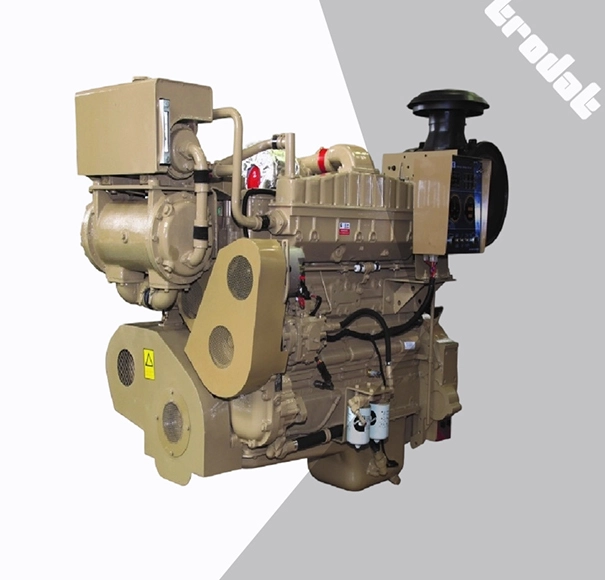
When discussing power output stability, many operators explore the full range through TRODAT’s Engine & Generator Set offerings. Matching the marine diesel engine to the right generator creates balanced systems that run reliably across long shifts.
For detailed model parameters and specs, the Marine Diesel Engine section provides clear guidance on power curves, cooling needs, and integration points.
Global Service: Parts and Support Where You Need It
Downtime costs real money out on the water. Having parts and knowledgeable help nearby changes everything. TRODAT maintains strong supply lines for key components. Facilities in Weifang, Shanghai, Nantong and other hubs keep inventory moving steadily.
In target regions like parts of Africa and Russia, the company works through established networks to shorten delivery times. Common wear items for marine diesel engine and generator set maintenance ship faster than waiting on distant suppliers.
After-sales support includes on-site supervision during installation. Engineers often stay 15 days or more for testing, debugging, and crew training. That hands-on period helps local teams learn the quirks of their specific setup.
ISO9001:2015 quality processes and IACS marine certifications back the products. When issues do pop up, clear technical agreements spell out response times and personnel. Crews feel supported instead of left guessing alone.
About TRODAT (Shandong) Marine Engineering Co., Ltd
TRODAT (Shandong) Marine Engineering Co., Ltd brings more than 15 years of practical experience in marine equipment and dredging operations. Based in Weifang, Shandong, with additional facilities in Shanghai, Nantong, and other industrial centers, the company supplies complete solutions for new vessel builds, retrofits, and ongoing maintenance.
Their lineup covers marine diesel engine, generator sets, dredging pumps, hydraulic systems, deck machinery, and related components. TRODAT works closely with shipyards and operators to match equipment to real field conditions. They follow strict quality standards and can arrange marine class certifications as needed. The focus stays on reliable performance and responsive support that keeps vessels working productively.
Conclusion
Selecting the right marine diesel engine and generator set comes down to understanding your operating environment, vessel demands, and long-term costs. In hot, humid, high-demand settings, details like fuel delivery, material strength, vibration control, and service access make the biggest impact.
TRODAT marine power solutions aim to deliver that balance—solid durability, efficient running, and practical support tailored to the job. When your power plant performs consistently, the whole operation gains reliability and confidence.
FAQs
What makes a marine diesel engine suitable for high-humidity tropical environments?
Marine diesel engine designs built with robust materials like vermicular graphite cast iron and forged crankshafts handle heat and moisture better. They maintain performance during long runs and resist corrosion that can shorten life in salty, humid air.
How does fuel efficiency in a marine generator set affect overall operating costs?
Better fuel efficiency in marine generator set units lowers daily consumption, especially on vessels running extended shifts. Lower rates around 185 g/kW·h add up to meaningful savings when fuel prices run high, while also reducing exhaust and maintenance needs.
Why is low vibration and noise important for generator sets on dredging vessels?
Low vibration and noise in generator sets reduce crew fatigue and protect connected equipment from extra wear. On dredging vessels working around the clock, smoother operation means fewer loosened parts and longer service intervals between overhauls.
Can marine diesel engine configurations be customized for different vessel types?
Yes. TRODAT marine power teams review specific needs—such as power curves for dredgers versus cargo ships—and suggest matching setups. This includes engine size, starting methods, and integration with generator sets for balanced performance.
How does TRODAT support customers with parts and service for their marine diesel engine and generators?
TRODAT provides technical guidance, on-site installation help, and training. Their supply network helps deliver common parts faster in key regions, backed by clear service agreements to minimize downtime on your vessel.

Post Comment