



Dredging excavation heads sit right at the point where the dredger meets the bottom, determining breakout force, material intake rate, wear patterns, and how smoothly the whole operation runs. Cutter head dredging remains the go-to for many stationary, high-output jobs, drag heads keep trailing suction hopper dredgers moving across wide areas, bucket ladder setups handle deep, layered digging with good control, and grab heads take care of spot removal or tricky debris. Picking the wrong one shows up fast—teeth wear out quicker than expected, intake drops, pumps clog, or the schedule slips by days or weeks, especially on capital dredging in ports, routine channel maintenance, or borrow area work for reclamation. The sections below break down real applications by soil type, typical field scenarios, and the precautions that keep things from going sideways during procurement evaluations or site planning.
Why the Right Dredging Head Matters
The head controls how much material gets loosened and pulled into the system per hour. In cohesive or compacted ground, the wrong choice chews through teeth or fails to generate enough shear, cutting production and driving up spare parts spend. Loose, flowing sediments can overload a head not built for volume, leading to blockages or dilute slurry that strains the pumps downstream. Field data often shows output swings of 30 to 50 percent simply from better soil-head matching.
Cutter heads give steady, continuous cutting in fixed-position work, holding tight tolerances on channel profiles or trench lines. Drag heads let the vessel cover distance while trailing, fitting maintenance dredging over large seabeds or river mouths. Bucket ladder heads deliver accurate depth control and layering in gravel pits or mining borrow zones. Grab heads bring selectivity when the job calls for picking specific spots, boulders, or contaminated pockets without broad disturbance. Getting the match right from the start keeps fuel burn down, extends component life, and avoids the kind of unplanned stops that eat budgets.
Main Types of Dredging Excavation Heads
Each head pairs with a particular dredger type and uses its own method to break and collect bottom material.
Cutter heads ride on cutter suction dredgers with a rotating basket or wheel carrying replaceable teeth and blades. The spin fractures the ground while suction carries the slurry away. Configurations range from smooth-edged baskets for silt and loose sand to heavy rock versions with beefed-up tines for limestone, weak rock, or gravel seams.
Drag heads, usually called rake heads in some regions, mount at the end of suction pipes on trailing suction hopper dredgers. A toothed frame or visor drags across the seabed as the ship moves, often helped by water jets to loosen cohesive layers and improve flow into the pipe.
Bucket ladder heads feature an endless chain of buckets running along a ladder frame on bucket chain dredgers. Each bucket scoops a bite, lifts it up the ladder, and dumps into barges or hoppers.
Grab heads operate as clamshell buckets hung from cranes or hydraulic arms on grab dredgers. The shells close around the material for a clean lift, working well in discrete locations or deep water.
Key differences appear in the comparison table:
Cutter heads lead in cohesive and hard ground with consistent high volume. Drag heads cover ground quickly in loose to medium materials during mobile runs. Bucket ladder heads manage consolidated or gravelly deposits at depth with layering precision. Grab heads handle boulders, debris, or selective tasks where volume takes second place to accuracy.
Key Applications and Soil Compatibility Scenarios
Soil grain size, cohesion, and in-situ strength steer the choice. Projects cover everything from harbor deepening in stiff clay to sweeping loose silt in coastal channels.
Cutter Head Applications & Scenarios
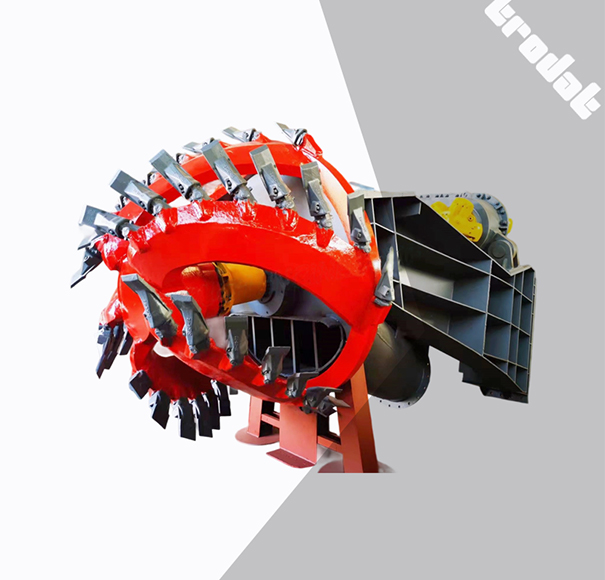
Cutter heads shine in navigation channels and port basins where hard clay, dense sand, or weak rock needs breaking up. Standard basket cutters manage sand, silt, and softer clay in routine maintenance, holding steady output in 20–30 meter depths. Rock cutters with reinforced teeth take on limestone ledges or gravelly hardpan during capital works like pipeline trenches or foundation prep for quay walls. In sediment remediation, low-turbidity designs limit spread of fines. The stationary setup limits reach in open water, but production stays high when the ground demands real cutting power.
Rake Head (Drag Head) Applications
Drag heads fit trailing suction hopper dredgers for broad, underway dredging. Loose sand, silt, and soft mud in river estuaries, coastal fairways, or sand mining respond to the dragging action plus jet assist. The vessel sails while trailing, sweeping large areas in 10–60 meter water. Cutting drag heads with teeth handle denser sand or stiffer clay, raising solids concentration and throughput. These setups work well for maintenance deepening or filling reclamation sites where mobility trumps fixed-position precision.
Bucket Ladder Head Applications
Bucket ladder dredgers target sand and gravel borrow in deep pits or aggregate production. The chain system controls layer thickness, preserving stratification in the deposit. Depths push past 50 meters in sheltered water, suiting consolidated material or blasted rock fragments. Controlled excavation reduces bottom disturbance in sensitive borrow zones. Wave action and mechanical complexity keep them out of exposed or noisy urban sites, but they deliver where depth and accuracy matter more than speed.
Grab Head Applications
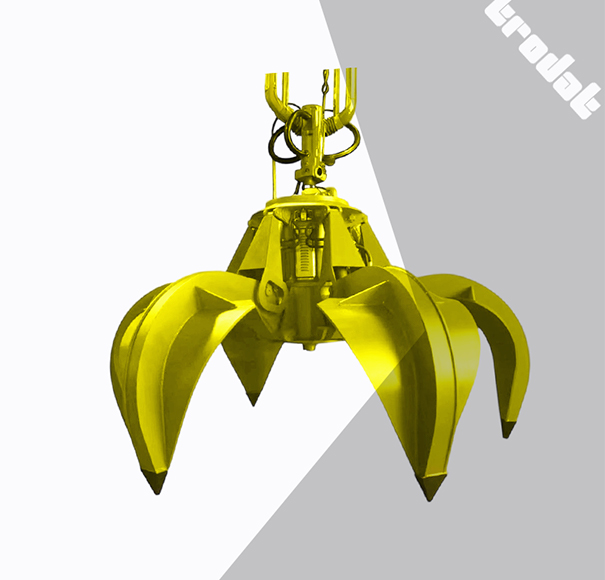
Grab heads handle pinpoint work in harbors, around bridge piers, or on contaminated sites. Closed clamshell buckets scoop boulders, rubble, or polluted sediment with low spillage, fitting environmental cleanup or debris clearance. Crane reach sets the depth, frequently beyond 100 meters in mining or salvage. Narrow slips or uneven bottoms favor grabs over continuous heads. Output stays lower and intermittent, but the flexibility makes them essential for selective or restricted-area jobs.
Selection Guide: How to Choose the Right Dredging Head
Begin with borehole logs, CPT data, or vibrocores to profile shear strength, grain distribution, and layering. Define the job: continuous volume calls for cutter heads; wide-area mobility points to drag heads; deep, controlled removal leans toward bucket ladder or grab.
Align the head with soil behavior—plain cutters for non-cohesive fines, reinforced for cohesive or rocky. Weigh depth, site footprint, access limits, and discharge method. Factor in wear rates—abrasive sand needs frequent tooth swaps, so plan spares accordingly. Run pilot sections or reference similar past jobs to confirm the fit before scaling up.
A field checklist covers soil class, tolerance requirements, hourly target, environmental constraints, and spare parts lead time. Those steps cut the risk of mid-project changes.
Precautions and Common Mistakes to Avoid
Mismatch drives most early failures. Cutter heads in surprise rock can snap teeth—keep rotation slow and watch torque when unknowns appear. Drag heads plug in sticky clay without enough jet pressure—flush lines regularly to hold flow.
Bucket ladder chains stretch or derail without proper tension and grease—check daily in heavy use. Grab shells deform or cables fatigue under repeated overload—inspect rigging and cap lift weights.
Across all types, operator training on load limits, pre-shift walk-arounds for cracks or loose pins, and stocked wear items prevent cascading downtime. Small wear ignored early turns into major delays. Following rated capacities and scheduled checks keeps components in service longer.
Real-World Case Examples
Port channel deepening projects have run rock cutter heads on cutter suction dredgers through hard clay and limestone, delivering accurate bottom profiles with controlled over-dredge.
Routine river maintenance has used drag heads on trailing suction hopper dredgers to sweep loose silt across wide reaches, keeping the vessel moving and cycle times short.
Deep gravel borrow for construction has relied on bucket ladder dredgers to extract in controlled layers, maintaining deposit quality for concrete aggregate.
Industrial harbor sediment remediation has deployed grab heads with sealed clamshells to lift contaminated material selectively, limiting turbidity spread during removal.
About TRODAT (SHANDONG) MARINE ENGINEERING CO., LTD
TRODAT (SHANDONG) MARINE ENGINEERING CO., LTD, based in Weifang, Shandong, China, supplies dredging pumps, cutter heads, bucket wheels, grabs, buckets, and related components for new dredgers, retrofits, and ongoing maintenance. Experience spans more than 15 years in marine equipment and dredgers, with design involvement stretching past 20 years in select areas. The range includes power packages, diesel engines, gearboxes, deck winches, anchors, and custom instrumentation. Production draws from facilities in major industrial regions across China, supported by established supply networks and engineering resources. ISO9001:2015 governs quality processes, and IACS classification applies to marine-grade items, providing dependable performance for shipyards, operators, and contractors worldwide in construction, upgrades, and repairs.
Conclusion
Pairing the dredging excavation head to actual bottom conditions, project geometry, and operational style delivers higher throughput, lower wear rates, and tighter cost control. Cutter heads manage tough ground with steady output, drag heads cover distance in mobile setups, bucket ladder heads provide depth and layering accuracy, and grab heads handle selective or awkward spots. Procurement grounded in solid geotech data and proven field matches leads to fewer surprises and stronger project outcomes.
FAQs
How do I decide between a cutter head and a drag head when dredging mixed sand and clay?
Look at cohesion and site mobility. Cutter heads handle compacted clay or dense sand in stationary, high-precision dredging; drag heads work better for loose to medium sand in trailing suction hopper runs where the vessel keeps moving.
Which soil types suit a bucket ladder dredger best?
Bucket ladder dredgers perform well on sand, gravel, and consolidated layers, including blasted rock fragments. They control excavation depth and layering in deep pits or borrow areas, though wave exposure and mechanical demands limit them in rough or populated locations.
Why choose a grab head for contaminated sediment dredging?
Grab heads with closed clamshell buckets allow precise scooping of polluted material or boulders while reducing spillage and bottom disturbance. The approach fits environmental projects in confined spaces or irregular areas where selectivity outweighs volume.
What steps prevent cutter head tooth breakage in rocky ground?
Reduce cutter speed and monitor drive torque when hard inclusions show up. Use rock-rated cutters with heavy tines, keep a full stock of spares on site, and inspect teeth frequently to catch wear before failure.
How does drag head design impact trailing suction hopper dredger output?
Drag head configuration affects solids pickup and slurry density. Toothed cutting heads with strong jet assist loosen denser sand or stiff clay more effectively than basic flushing types, raising production in cohesive bottoms during mobile dredging.

Post Comment