



Pipeline systems are rarely where projects win praise, but they are often where projects fail. In marine engineering and dredging operations, the choice between an HDPE pipeline system and a rubber hose system is one of those decisions that looks straightforward on paper and becomes complicated the moment equipment is deployed. HDPE vs rubber hose is not just a material comparison. It is a judgment about load behavior, movement, connection reliability, and long-term maintenance under real operating conditions.
This article looks at where each system actually works, where problems tend to start, and how joint design and maintenance decisions shape performance over time. The goal is not to recommend a single solution, but to clarify the boundaries engineers and procurement teams need to see clearly before committing to a pipeline configuration.
Why “HDPE vs Rubber Hose” Is Not a Simple Material Comparison
In technical discussions, HDPE pipelines are often framed as rigid, durable, and economical, while rubber hoses are described as flexible and easy to install. That framing misses the point. What matters in dredging and marine pipeline systems is how forces travel through the system once slurry starts moving and conditions change.
A pipeline that performs well in steady, buried alignment can fail quickly when exposed to vessel motion, wave-induced displacement, or repeated connection cycles. Conversely, a flexible hose that handles movement well may degrade faster if abrasive material, pressure fluctuation, or poor joint maintenance is ignored. Engineers who treat this as a checklist decision usually pay for it later.
Different Pipeline Systems, Different Failure Risks
Rigid Systems vs Flexible Systems in Real Projects
Rigid pipeline systems, typically built around HDPE pipes, behave predictably when alignment is fixed and loads are evenly distributed. Stress concentrates at joints and transition points, not along the pipe body itself. Flexible systems based on rubber hose behave differently. They absorb movement but transfer wear to layers, reinforcements, and end fittings.
In dredging projects, failure rarely starts in the middle of a pipe. It starts where systems change direction, where floating sections meet fixed lines, or where vibration and movement repeat thousands of cycles. Understanding this distinction explains why neither HDPE nor rubber hose is universally “better.” Each carries a different failure profile.
HDPE Pipeline Systems: Where They Perform Best — and Where They Don’t
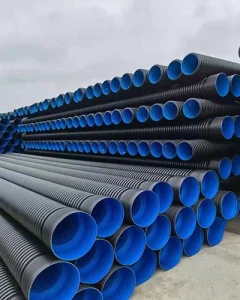
Why HDPE Is Widely Used in Marine and Dredging Projects
HDPE pipeline systems have become a standard choice for many dredging applications because they combine corrosion resistance, abrasion tolerance, and relatively low weight. In long-distance slurry transport, particularly where pipelines are laid on seabeds, riverbanks, or floating pontoons with controlled movement, HDPE performs reliably.
Another advantage is consistency. Once properly welded, HDPE joints behave like a continuous structure, which simplifies pressure management and reduces leak points. For projects with defined routes and limited repositioning, this stability is difficult to replace.
The Application Boundaries of HDPE Pipelines
HDPE shows its limits when conditions stop being predictable. High-temperature media, repeated dynamic bending, or frequent disassembly push the material outside its comfort zone. Welding quality also becomes critical. A poorly executed fusion weld can compromise an otherwise sound pipeline, and defects may not show until the system is pressurized under load.
In marine environments, HDPE sections near vessels or pumps often experience more movement than designers expect. Without proper transition design, stress concentrates at welds and flanges, increasing the risk of fatigue over time.
Rubber Hose Systems: Why Flexibility Solves Problems HDPE Cannot

When Rubber Hose Is the Safer Choice
Rubber hose systems exist for a reason. In areas where pipelines must accommodate vessel motion, tidal variation, or frequent alignment changes, flexibility reduces stress rather than amplifying it. Short connections between dredgers and fixed pipelines are a common example. Here, rigid systems tend to crack or pull against joints, while rubber hoses absorb motion naturally.
Rubber hoses also simplify installation in confined or temporary setups. For projects with short operating windows or shifting work zones, this adaptability matters more than long-term structural continuity.
Hidden Trade-offs in Rubber Hose Systems
Flexibility does not eliminate risk; it redistributes it. Rubber hoses rely on layered construction, reinforcement, and end fittings. Abrasive slurry, internal pressure cycling, and environmental exposure slowly degrade these components. Unlike HDPE welds, hose fatigue often develops invisibly inside the structure.
Maintenance discipline becomes the deciding factor. Projects that inspect hose surfaces but ignore coupling integrity or internal wear often discover failures too late.
Jointing and Connection Methods: Where Most Failures Actually Start
HDPE Pipe Welding: Strengths, Risks, and Field Realities
In HDPE pipeline systems, joints are everything. Proper fusion welding creates a connection stronger than the pipe itself, but field conditions rarely match laboratory assumptions. Misalignment, temperature variation, and operator skill all influence weld quality.
In dredging operations, weld inspection should not stop at visual checks. Dimensional consistency, bead formation, and cooling control matter more than speed. Many pipeline failures traced to “material issues” are, in reality, welding process problems that went unnoticed during installation.
Rubber Hose Connections: Flanges, Bolts, and Wear Points
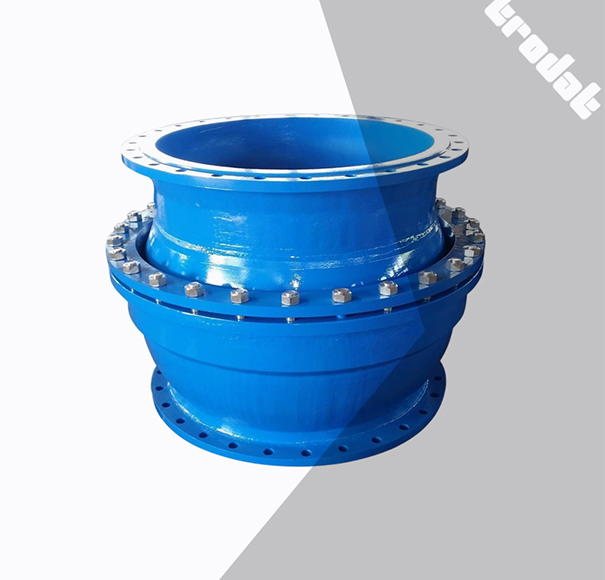
Rubber hose systems rely heavily on mechanical connections, most commonly flanged joints. These joints face repeated loading as hoses flex and straighten. Bolt tension loss, gasket wear, and misalignment compound over time.
Experienced operators know that the hose body often outlasts the connection hardware. Regular torque checks, flange face inspection, and alignment verification reduce unplanned downtime significantly, but only if they are built into maintenance routines rather than treated as reactive tasks.
Maintenance Reality: What Engineers Actually Check in the Field
Maintenance practices separate systems that merely function from those that remain reliable. For HDPE pipelines, attention centers on weld zones, support conditions, and transitions between fixed and floating sections. Small deformations near joints often signal deeper stress accumulation.
Rubber hose maintenance focuses on surface cracking, bulging, and coupling condition. Changes in hose flexibility, even subtle ones, can indicate internal damage. In abrasive dredging applications, inspection frequency often determines service life more than material selection itself.
Field experience shows that mixed systems—HDPE pipelines with rubber hose connections at strategic points—often perform best when maintenance teams understand what each segment requires.
Decision Logic: Choosing HDPE, Rubber Hose, or a Hybrid System
The most reliable pipeline systems rarely rely on a single material. Long, stable transport sections benefit from HDPE’s rigidity and continuity. Areas exposed to movement, alignment change, or frequent handling benefit from rubber hose flexibility.
Hybrid systems, when properly designed, reduce stress concentration and simplify maintenance. The challenge lies in designing transitions that respect the mechanical behavior of both materials rather than forcing one to compensate for the other’s weaknesses.
How Pipeline Solution Providers Support These Choices
Engineering support becomes critical when systems move beyond simple layouts. Material selection, joint design, and maintenance planning are interconnected decisions. Suppliers with experience in dredging pipeline systems understand how small design choices affect long-term reliability, particularly in suction and discharge applications.
About TRODAT (Shandong) Marine Engineering Co., Ltd.
TRODAT (Shandong) Marine Engineering Co., Ltd. focuses on dredging and marine engineering solutions, including suction and discharge pipeline systems designed for demanding field conditions. With experience supporting new builds, retrofits, and maintenance projects, the company works closely with operators to match pipeline configurations to actual operating environments rather than theoretical models. This approach reflects an understanding that pipeline performance is shaped as much by system integration and service support as by material selection alone.
Conclusion
The question is not whether HDPE or rubber hose is better. The real question is where each system fails less in a given application. Projects that treat pipeline selection as an engineering judgment—rather than a purchasing decision—tend to experience fewer disruptions and longer service life. Understanding application boundaries, joint behavior, and maintenance realities is what turns a pipeline system from a liability into a dependable asset.
FAQs
When does an HDPE pipeline make more sense than a rubber hose system?
HDPE pipelines are better suited for long, stable routes with limited movement, such as fixed discharge lines or floating pipelines with controlled alignment. Their strength lies in continuity and low maintenance once properly installed.
Why do rubber hose connections often fail before the hose itself?
Most failures occur at flanges and couplings due to bolt loosening, gasket wear, or misalignment under repeated movement. Regular inspection of these points is essential.
Can HDPE and rubber hose be combined in one pipeline system?
Yes. Hybrid systems are common in dredging operations, using HDPE for long runs and rubber hoses at transition points to absorb movement and reduce stress.
How often should dredging pipeline systems be inspected?
Inspection frequency depends on operating conditions, but systems handling abrasive slurry or dynamic loads typically require more frequent checks, especially at joints and transition areas.
What factors matter most when choosing between HDPE vs rubber hose?
Beyond material properties, consider movement, pressure variation, maintenance capability, and how the pipeline interfaces with vessels and equipment. These factors usually outweigh initial material cost.

Post Comment